How to Easily Mount Your Router to SBR20UU and SCS20UU Linear Rails
Building a custom slab flattening mill is a rite of passage for many woodworkers and CNC hobbyists. While the frame is often straightforward, the most difficult part is connecting your router to the router sled rails with precision. If you are using industrial-grade SBR20UU or SCS20UU linear bearings, you need a stable, lightweight, and pre-drilled solution to ensure your router doesn't wobble during a heavy pass.
Table of Contents
- Understanding SBR20UU and SCS20UU Rails
- The SpeTool SBR20UU Router Sled Adapter
- Step-by-Step Installation Guide
- Optimizing Dust Collection
- Router Compatibility and Fitment
Understanding SBR20UU and SCS20UU Rails
In the world of DIY CNC and precision jigs, linear motion bearings like the SBR20UU and SCS20UU are favorites because of their high load capacity and smooth travel. However, these blocks come with specific metric mounting patterns that rarely align with standard router base plates. To create a functional rail router system, you need a bridge that maintains a low profile while providing structural rigidity.
The SpeTool SBR20UU Router Sled Adapter
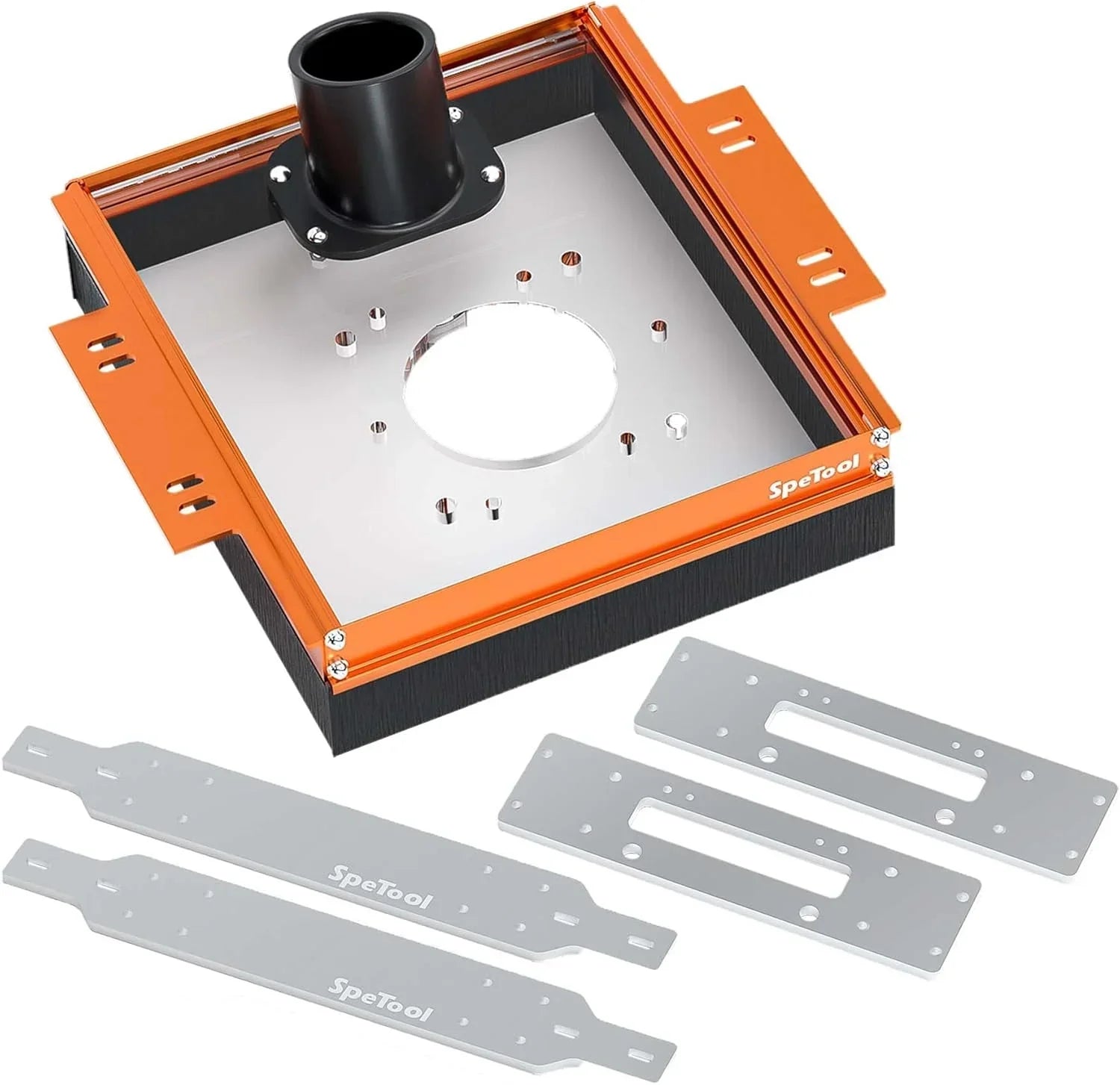
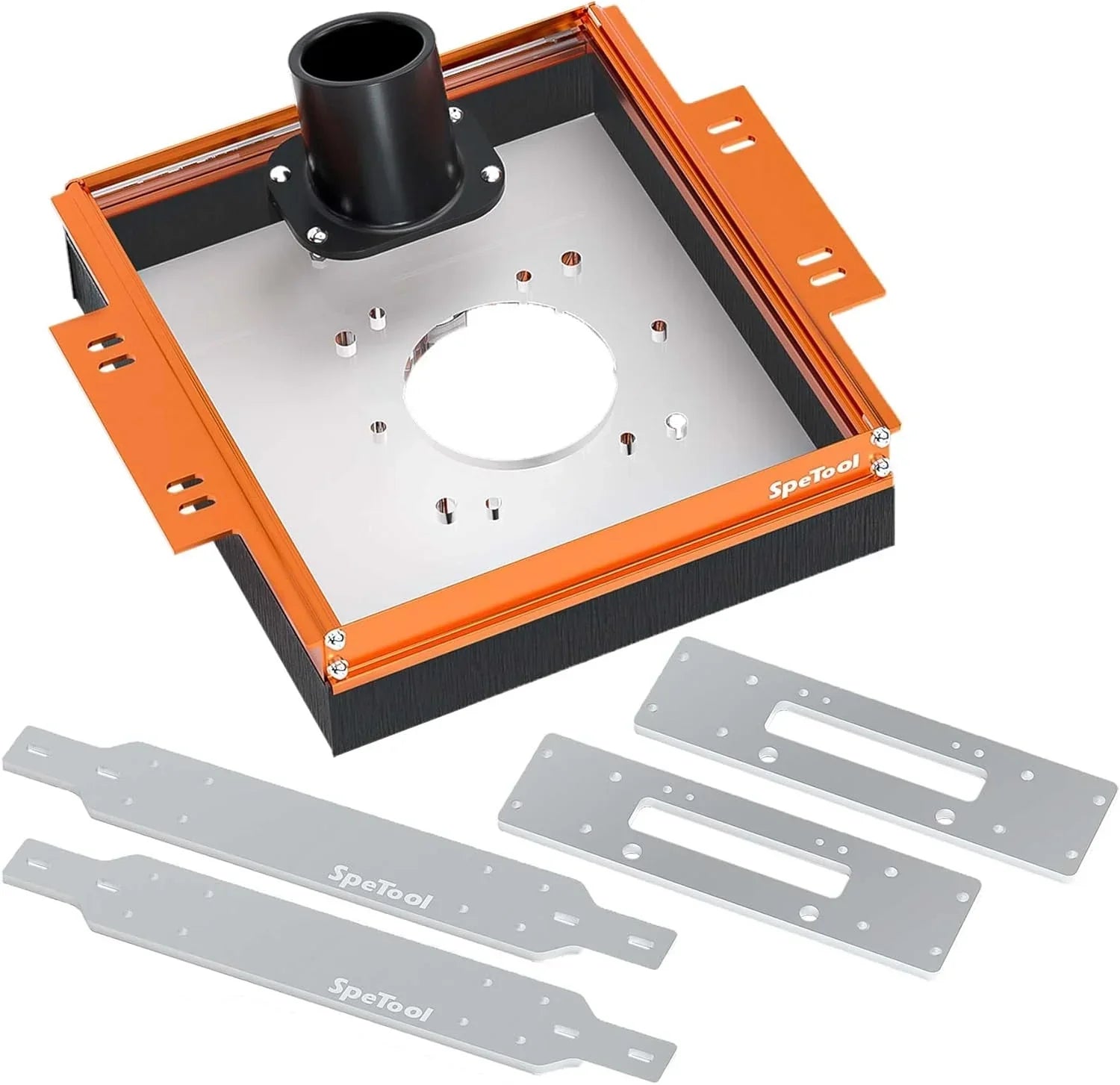
The SpeTool Linear Rail Router Sled Slide Connector is designed specifically to solve this mounting headache. It is a MUST HAVE for any Linear Rail Router Sled setup. It connects the SBR20UU and SCS20UU Linear Rail via a dedicated Slide Connector and provides a pre-drilled router plate with an integrated dust collector port for conveniently flattening your slab. Note that the linear rail itself is not included, allowing you to choose the length that fits your specific workshop needs.
Key Features:
- Sturdy and Lightweight: Made of high-grade aluminum to be durable without adding excessive weight to your gantry.
- 90% Dust Capture: Features optimal brush hardness and density to capture wood particles effectively.
- Precision Alignment: Pre-drilled for major brands like Bosch, DeWalt, and Makita.
Step-by-Step Installation Guide
Setting up your spetool router sled takes only a few minutes. Follow these steps for a professional result:
1. Prepare Your Linear Blocks
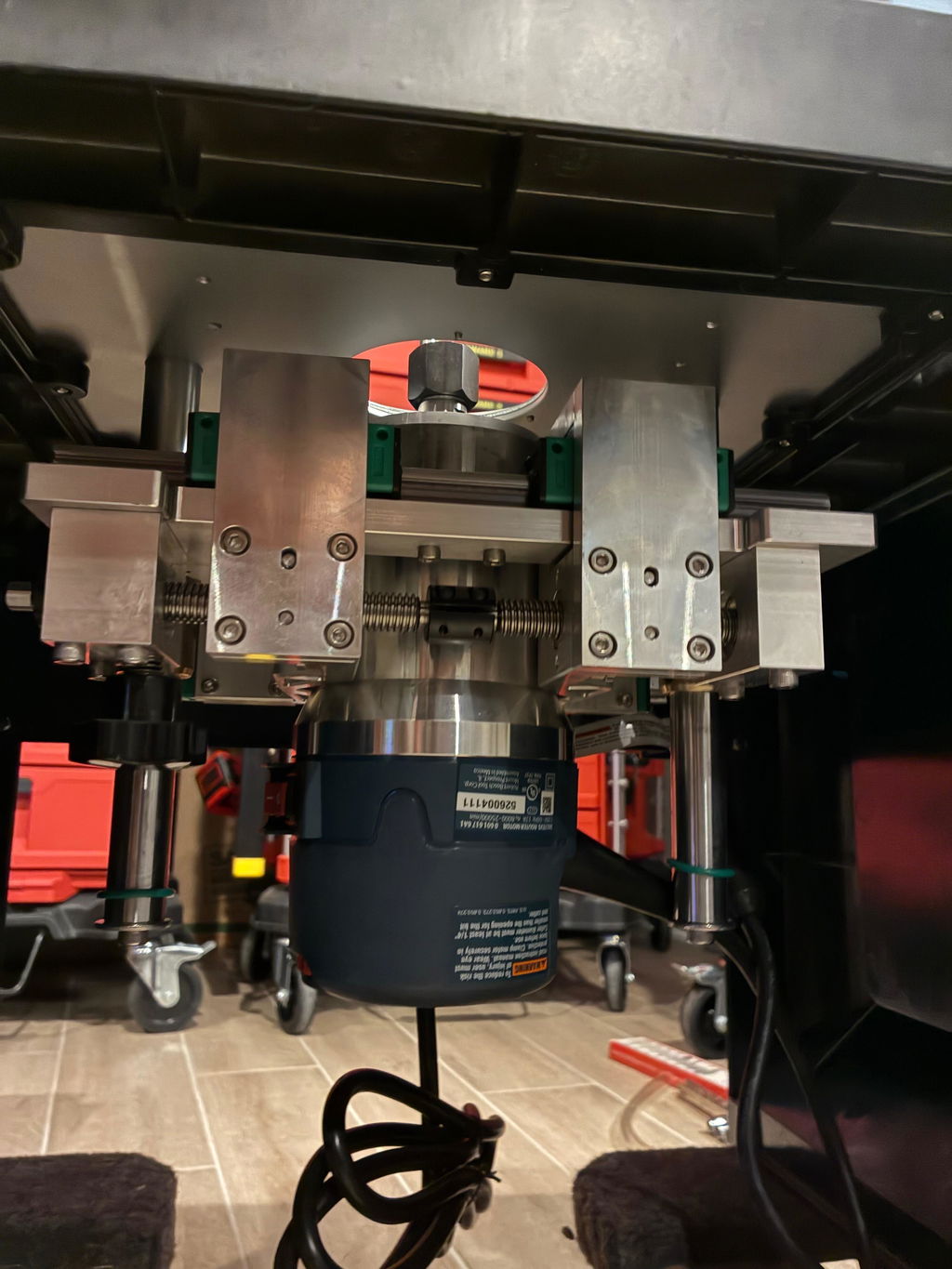
Ensure your SBR20UU or SCS20UU blocks are clean and lubricated. Position them on your X-axis rails. These blocks will serve as the mounting points for the adapter plate.
2. Align the Slide Connector
Place the SpeTool aluminum adapter plate over the slide blocks. Use the provided metric hardware to secure the plate to the four mounting holes on the bearing blocks. Because the plate is made of aluminum, it won't flex under the weight of a heavy 3-HP router.
3. Mount the Router
The plate is pre-drilled for widespread compatibility. Align your router base with the corresponding holes for your specific model (e.g., DeWalt 618 or Makita RT0701C). If your router uses a non-standard pattern, the aluminum plate can be easily drilled for a custom fit.
Optimizing Dust Collection
Flattening large slabs creates a massive amount of chips. The SpeTool adapter includes a built-in dust port and brush system. The frame and plate inlaying design ensures a good seal, preventing dust from escaping from the sides of the gantry. This provides a cleaner and healthier work environment for the user. If your dust collection system requires a specific adapter, please measure your hose size first to confirm compatibility with the integrated port.
Router Compatibility and Fitment
One of the biggest advantages of this adapter is its wide compatibility. It is designed to fit most popular routers used in the United States, including models from Porter Cable, Craftsman, Ryobi, Ridgid, and Milwaukee. For more information on maintaining your tools, visit SpeTool for expert tips on router bit selection and maintenance.
By utilizing a professional rail router adapter, you eliminate the guesswork of DIY wooden plates and gain the precision of industrial linear motion hardware.