Leveling Cross-Cut Slabs: Tips for Flattening Wood Cookies Without Tear-out
Wood cookies—those beautiful, round cross-cut sections of a tree trunk—are favorites among gift makers and small-craft woodworkers for making side tables, clocks, and centerpieces. However, flattening wood cookies with a router is a unique challenge. Because you are working entirely with end-grain, the wood is prone to severe tear-out, cracking, and fuzzy surfaces. To achieve a professional finish, you need a combination of the right technique and a stable milling platform.
Table of Contents
- The Unique Challenges of End-Grain Cookies
- Why a Stable Sled is Non-Negotiable
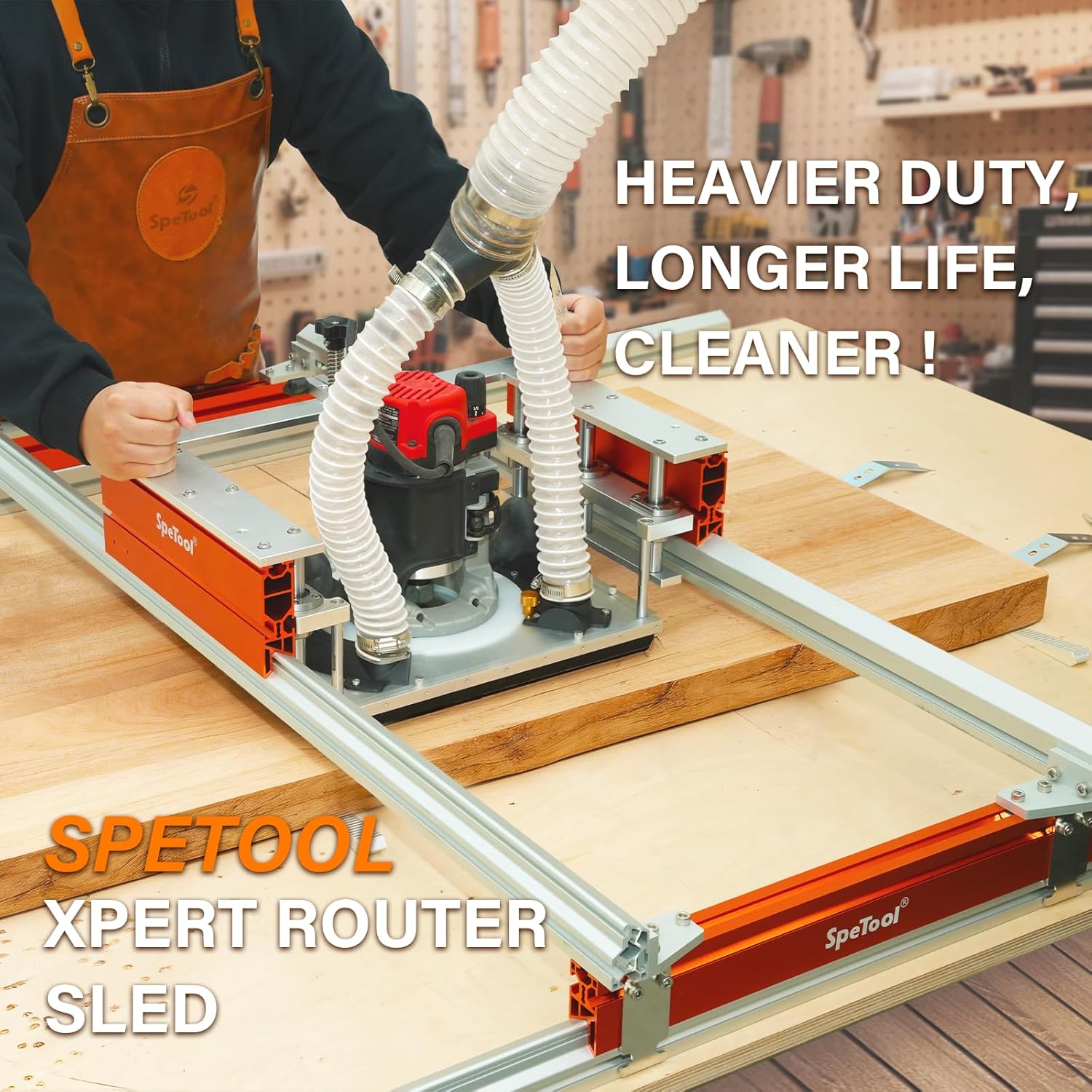
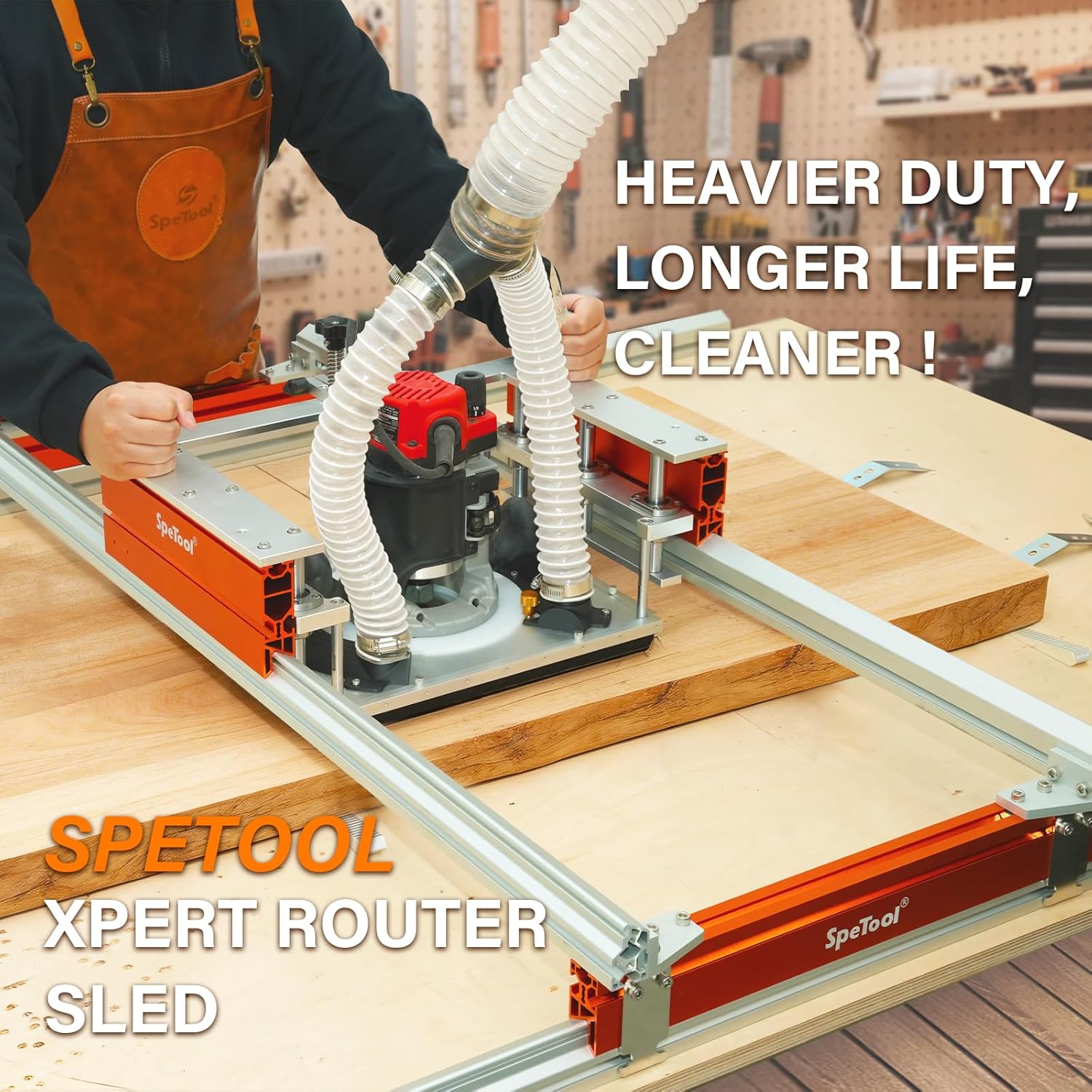
- Feature Spotlight: The SpeTool Xpert Pro Router Sled
- Step-by-Step Flattening Technique
- How to Prevent Tear-out and Checking
The Unique Challenges of End-Grain Cookies
Unlike edge-grain lumber found in standard boards, wood cookies expose the vertical vascular system of the tree. When a woodworking router passes over this end-grain, it tends to 'plow' through the fibers rather than slicing them cleanly. This often results in 'blowout' at the edges and deep gouges in the surface. Traditional planers are dangerous to use on cookies as they can shatter the wood, making a high-quality router bit and sled system the safest and most effective method.
Why a Stable Sled is Non-Negotiable
Hand-holding a router on a small, uneven cookie is a recipe for disaster. Any slight tilt of the router will result in a divot that takes hours to sand out. A dedicated spetool router sled provides the necessary X and Y axis stability. By locking the router into a fixed horizontal plane, you ensure that every pass is perfectly parallel to the previous one, regardless of the cookie's initial irregularities.
Feature Spotlight: The SpeTool Xpert Pro Router Sled
For makers looking for precision, the SpeTool Xpert Pro Router Sled is a game-changer. Built with high-grade aluminum alloy rails and carriage, it offers a robust work capacity of 38 x 38.2 inches, making it perfect for even the largest stump cuts. Its height adjustment range of 1/4 to 3-3/8 inches allows you to handle various thicknesses with ease.
The standout feature for cookie makers is the Precision Height Adjustment. The integrated custom bearing housing with angular contact ball bearings provides a minute 5/32 inch depth change per full rotation. This precision is vital when taking the light, shallow passes required for end-grain to prevent tear-out. Furthermore, its integrated dust collection system—featuring dual ports and a full-surround brush—is essential, as routing end-grain produces significant amounts of fine 'flour' dust that can be hazardous if not captured.
Step-by-Step Flattening Technique
- Secure the Cookie: Use hot glue or 'shims and wedges' to keep the cookie from rocking on your workbench. Do not use top-down clamps that might interfere with the sled.
- Set the High Point: Slide your router across the surface to find the highest point. Adjust your spetool router sled so the bit just grazes this point.
- Light Passes: On end-grain, never remove more than 1/16th of an inch at a time. The SpeTool's 5/32" per rotation dial makes these micro-adjustments easy.
- Direction Matters: Move the router across the grain, not with it, to minimize the lifting of fibers.
How to Prevent Tear-out and Checking
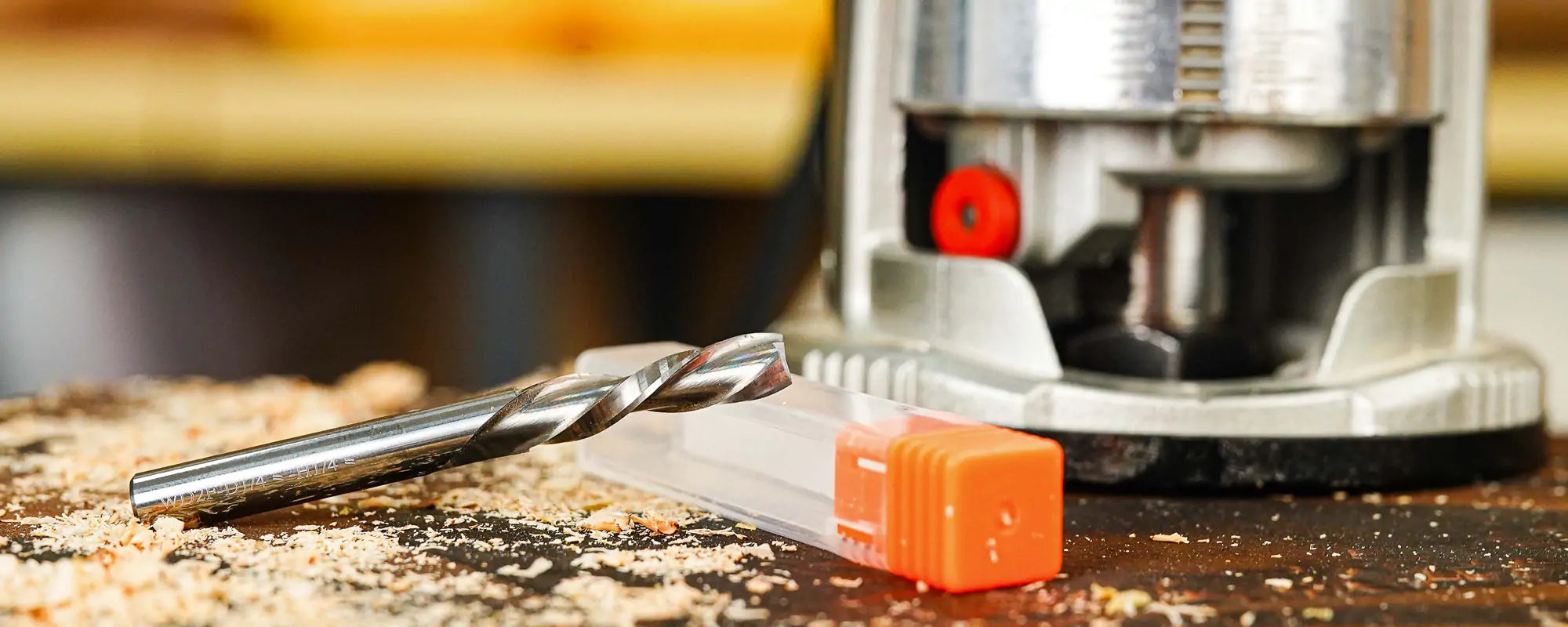
To avoid 'checking' (cracking), ensure your cookie is properly dried (ideally below 12% moisture). If you notice the wood fibers 'fuzzing' rather than cutting, it is time to switch to a sharper carbide bit. Using a sled with UHMW glide pads ensures smooth, consistent movement, preventing the router from lingering in one spot and causing burn marks or uneven cuts.