
7 Common Woodworking Glue Up Mistakes (And How to Avoid Them)
The glue-up is often the most stressful part of any woodworking project. You’ve spent hours milling, cutting, and sanding, only to have the assembly go south the moment the glue hits the wood. Whether it is a table top that bows or joints that won't close, woodworking glue up mistakes can turn a dream project into a firewood pile.
In this guide, we will break down the seven most common pitfalls and show you how professional-grade tools like the 4-way panel clamps can ensure a perfectly flat result every time.
Table of Contents
- 1. Applying Uneven Pressure
- 2. Skipping the Dry Run
- 3. Using Inadequate Clamps for Large Panels
- 4. Ignoring Grain Orientation
- 5. Over-Clamping (Starving the Joint)
- 6. Poor Surface Preparation
- 7. Struggling with Misalignment
- The Ultimate Solution: Spetool Panel Clamp
1. Applying Uneven Pressure
One of the biggest woodworking glue up mistakes is applying pressure from only one side. Standard bar clamps or pipe clamps tend to squeeze the boards inward, causing the panel to 'buckle' or 'cup' in the center. To counteract this, traditional woodworkers alternate clamps on top and bottom, but this is tedious and often unreliable.
2. Skipping the Dry Run
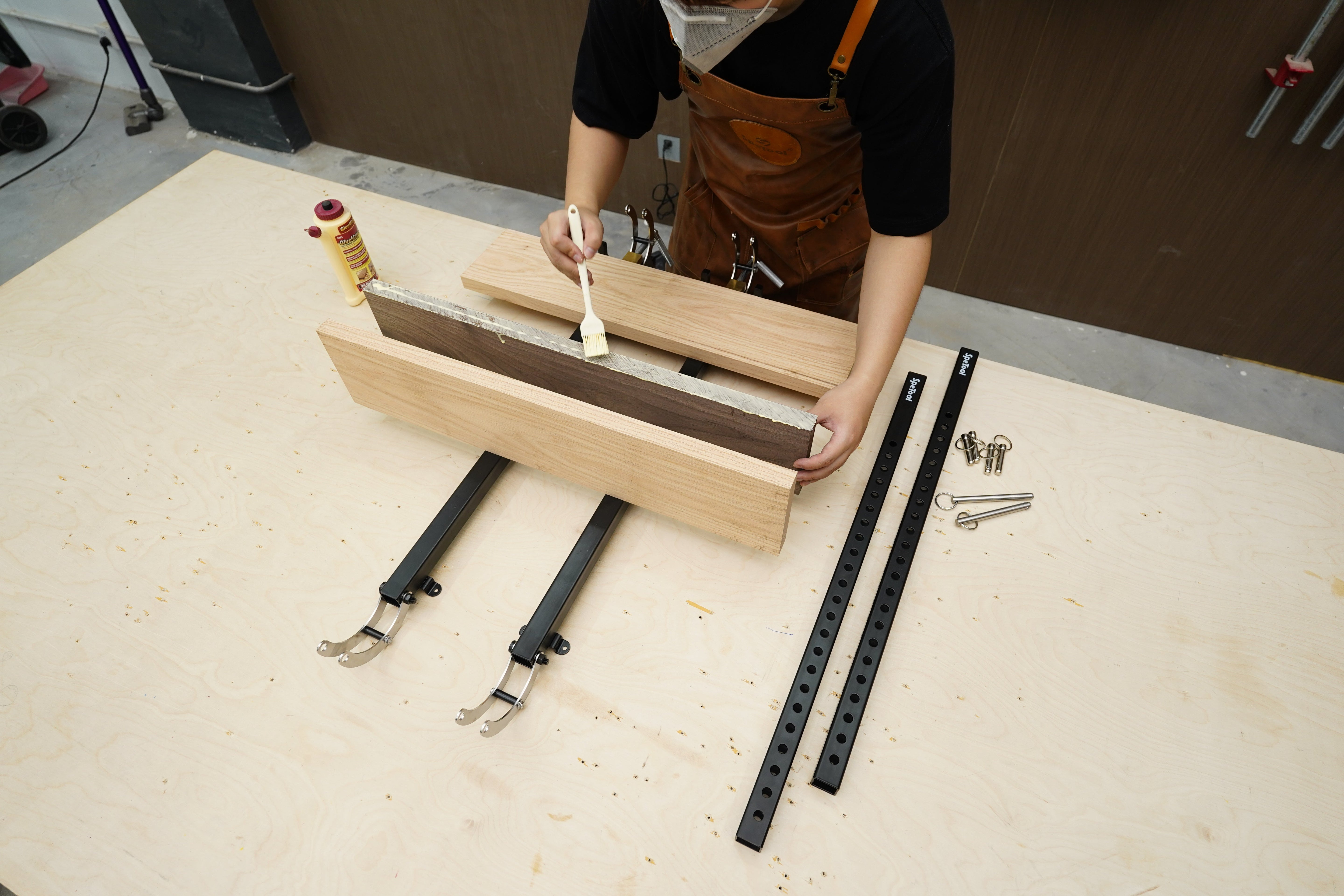
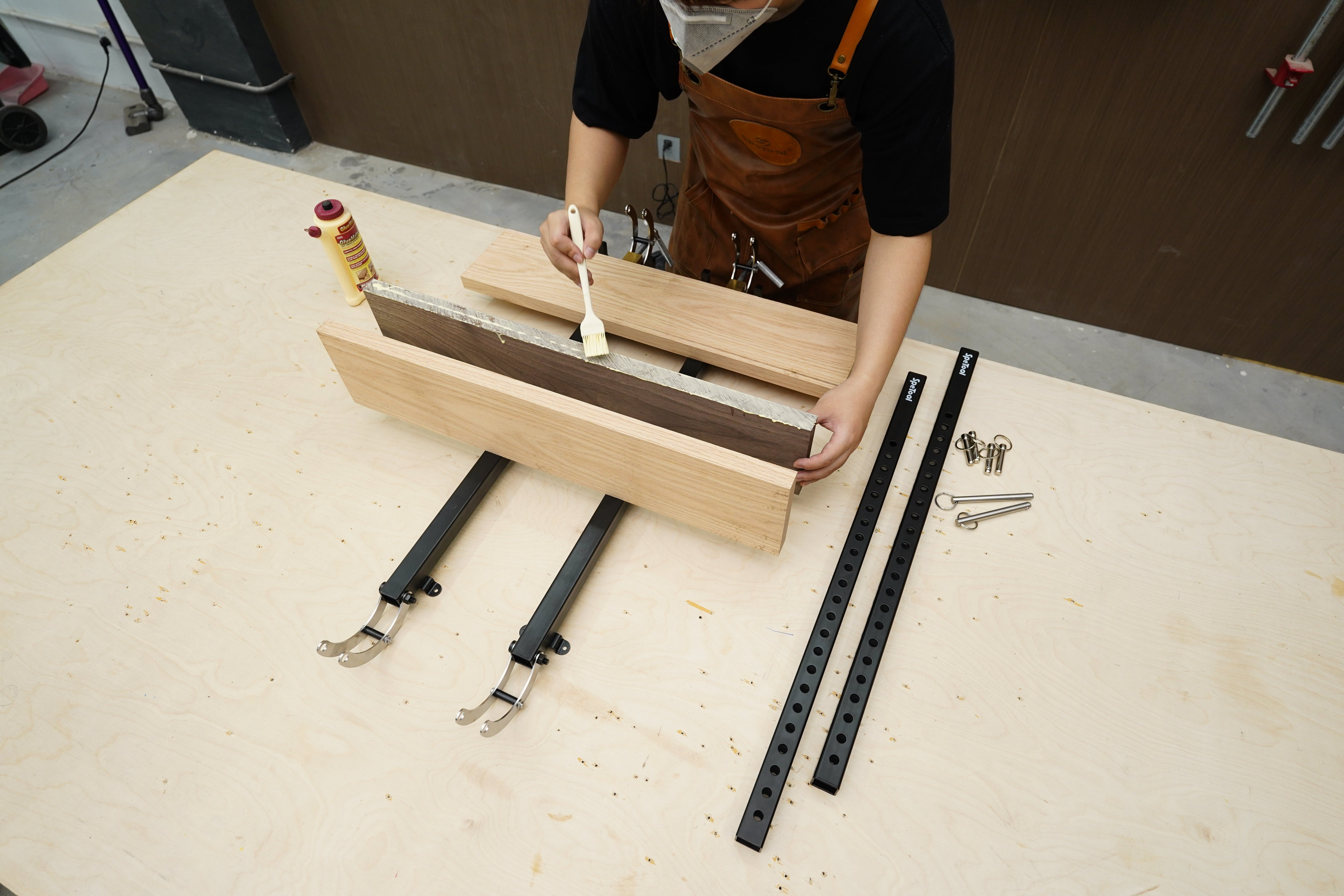
Never apply glue until you know everything fits. A dry run allows you to check for gaps and ensure your clamps are set to the correct width. If you find a problem during a dry run, it's an easy fix. If you find it after the glue is applied, you are racing against the 'open time' of the adhesive.
3. Using Inadequate Clamps for Large Panels
When making table tops or wide door panels, standard clamps often fail to keep the surface flat. This is where specialized 4-way panel clamps become essential. Unlike standard clamps, these apply pressure from all four directions—top, bottom, and both sides—simultaneously. This forced alignment prevents the boards from shifting upward under pressure.
4. Ignoring Grain Orientation
While modern glues are incredibly strong, wood still moves. Alternating the growth rings (cathedral grain) on your boards can help minimize the overall warping of the panel. While not always strictly necessary with high-quality kiln-dried lumber, it is a best practice to avoid future cupping.
5. Over-Clamping (Starving the Joint)
Many novices think "tighter is better." However, if you apply excessive force, you can squeeze all the glue out of the joint, leading to a 'starved' bond that is prone to failure. You want firm, even pressure with a consistent bead of glue squeeze-out.
6. Poor Surface Preparation
Glue bonds best to fresh, clean wood fibers. If your edges were jointed days ago, they might have picked up oils or oxidized. Always do a final light pass on the jointer or a quick sand with a flat block right before glue-up to ensure maximum adhesion.
7. Struggling with Misalignment
Trying to keep five or six boards flush while tightening clamps is a nightmare. This is especially true when choosing clamps for cutting boards, where small slips lead to hours of extra sanding or planing. Using a system that locks the boards into a single plane is the only way to ensure flush joints.
The Professional Solution: The Spetool 4-Way Panel Clamp
If you want to eliminate these common woodworking glue up mistakes, the Spetool 4-Way Panel Clamp is the ultimate game-changer. Designed for projects like cutting boards, table tops, and cabinet doors, this tool solves the problem of bowing and misalignment instantly.
Why the Spetool Panel Clamp Stands Out:
- 4-Way Pressure: With its unique parallelogram couplers, it clamps in two directions at once. This ensures your panels stay perfectly flat and your joints remain flush without the need for additional cauls.
- Extreme Versatility: It accommodates panels up to 24 inches wide and thicknesses ranging from 1/4" to 3". Whether you are working on a thin veneer panel or a heavy-duty butcher block, this tool handles it.
- Durable & Glue-Resistant: Made from steel pipe with a durable powder-coat finish, the spetool panel clamp features a special surface treatment that allows dried glue to be easily popped off by hand or a knife, protecting your workpiece and the tool.
- Precision Engineering: Featuring copper thread bushings and high-strength retaining pins, these clamps are built to last a lifetime in a busy workshop.
For more tips on achieving the perfect finish, check out our guide on professional woodworking techniques or consult the Wikipedia entry on wood adhesives for technical specifications on bond strength.
Don't let your next glue-up be a source of stress. Invest in tools that guarantee precision and flatness. Get your 4-way panel clamps today and see the difference in your craftsmanship.