Introduction:
The "glue-up panic" is a rite of passage for every woodworker. You've spent hours milling your boards, but the moment that glue hits the wood, the clock starts ticking. Hands shake, clamps slide, and the boards bow up like a bridge. As a veteran furniture maker, I've seen it all. I’m here to tell you that edge gluing wood for your first tabletop doesn't have to be a nightmare. By following this step-by-step beginner's guide, you can eliminate the panic, respect the wood's natural movement, and create perfectly flat, seamless joints every single time.
Why Proper Wood Panel Glue-Up Matters
-
Ensures perfectly flat surfaces for tabletops and cutting boards
-
Prevents long-term warping, cupping, and wood splitting
-
Creates invisible, seamless joints that are stronger than the wood itself
-
Saves hours of frustrating sanding and leveling later
Step 1: The Foundation - Milling Perfect Edges
-
If your edges aren't 90-degrees and dead straight, no amount of clamping pressure will save you.
-
Never force a bad joint together. If there is a gap, the wood's internal tension will eventually rip the seam apart. Ensure your jointer or table saw is perfectly dialed in.
Step 2: Reading the Grain - The Alternating Rings Rule
-
To master preventing cupping when gluing boards, you must look at the end grain. Wood naturally wants to warp opposite to the curve of its growth rings.
-
Alternate the growth rings (smile, frown, smile, frown). If they all face the same direction, your flat panel will eventually warp into a U-shape as humidity changes.
Step 3: The Dry Run & Setting Up Panel Clamps
-
Never apply glue without doing a practice run first. Set your clamps and tighten them dry to ensure every board aligns perfectly.
-
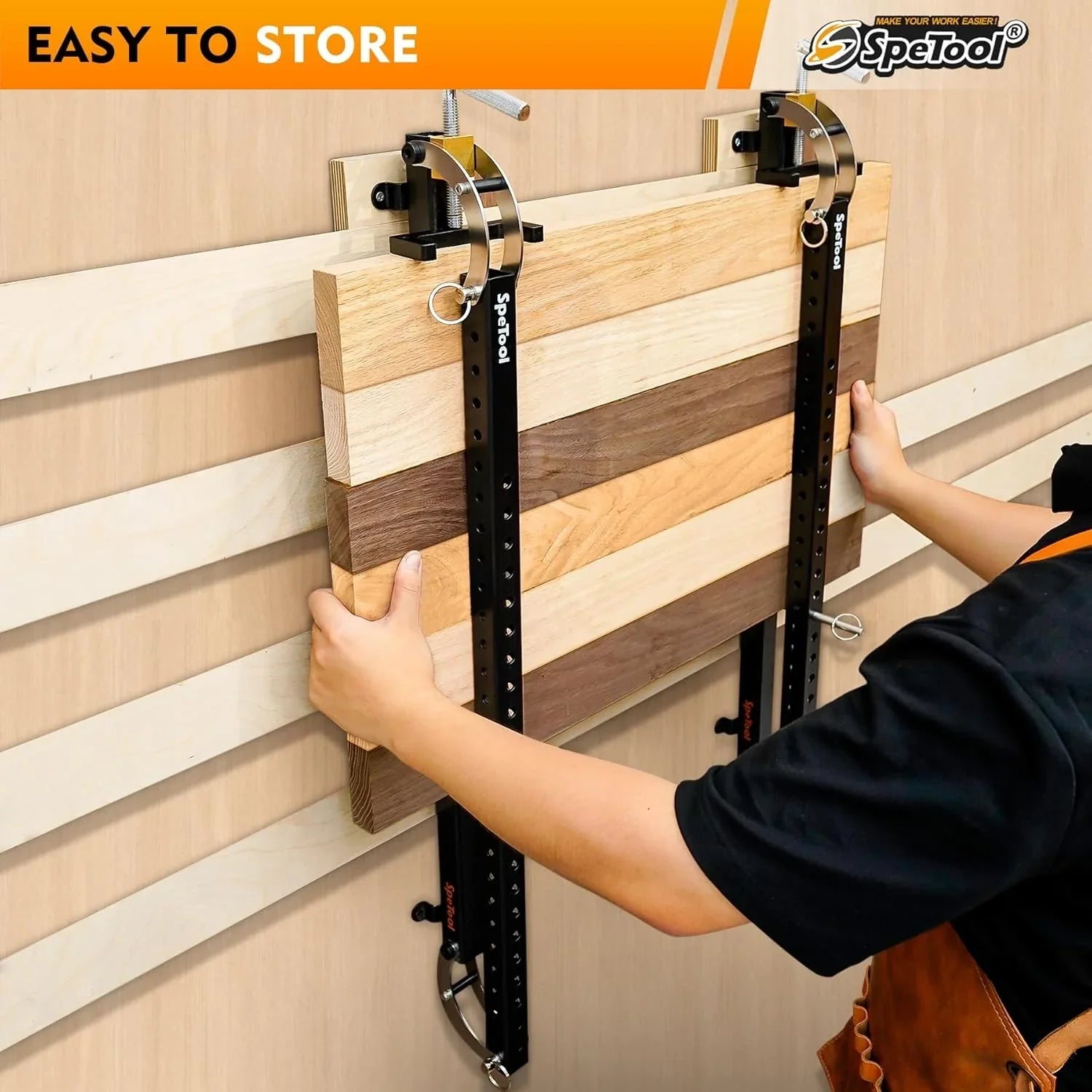
Standard pipe clamps often cause boards to bow upward under pressure. Learning how to use 4-way panel clamps is a game-changer; they apply inward pressure to close the joint and downward pressure to keep the boards perfectly flat. Alternatively, use sturdy wooden "cauls" clamped across the top and bottom of the panel.
Step 4: The Glue Application & "Squeeze-Out"
-
Don't drown the wood. Apply a consistent bead of wood glue and spread it evenly over the entire edge with a roller or brush.
-
You are looking for a continuous line of tiny glue beads (squeeze-out) popping up along the seam when clamped. If you have a dripping waterfall of glue, you applied too much; if there are dry gaps, you applied too little.
Step 5: Dialing in the Pressure - Avoid "Starved Joints"
-
A common tabletop glue up beginner mistake is cranking the clamps as tight as humanly possible.
-
Over-clamping crushes the wood fibers and squeezes all the glue out of the seam. This creates a weak "starved joint" that will fail over time. Tighten just enough to close the gap and produce that even bead of squeeze-out.
Comparing Common Clamping Methods for Edge Gluing Wood
| Clamping Method | Ideal Use | Pros | Cons |
| Pipe Clamps / F-Clamps | Basic, narrow panels | Cheap, readily available | Often causes boards to bow or buckle |
| Clamps with Wooden Cauls | Standard tabletops | Keeps boards perfectly flat | Requires extra clamps and setup time |
| 4-Way Panel Clamps | Large panels, heavy doors | Squeezes and flattens simultaneously | Higher initial tool investment |
The Next Step: Final Flattening
-
The Reality Check: Even veteran craftsmen rarely get a 100% perfectly flat panel straight out of the clamps. There is almost always a fraction of a millimeter difference or stubborn dried glue residue.
-
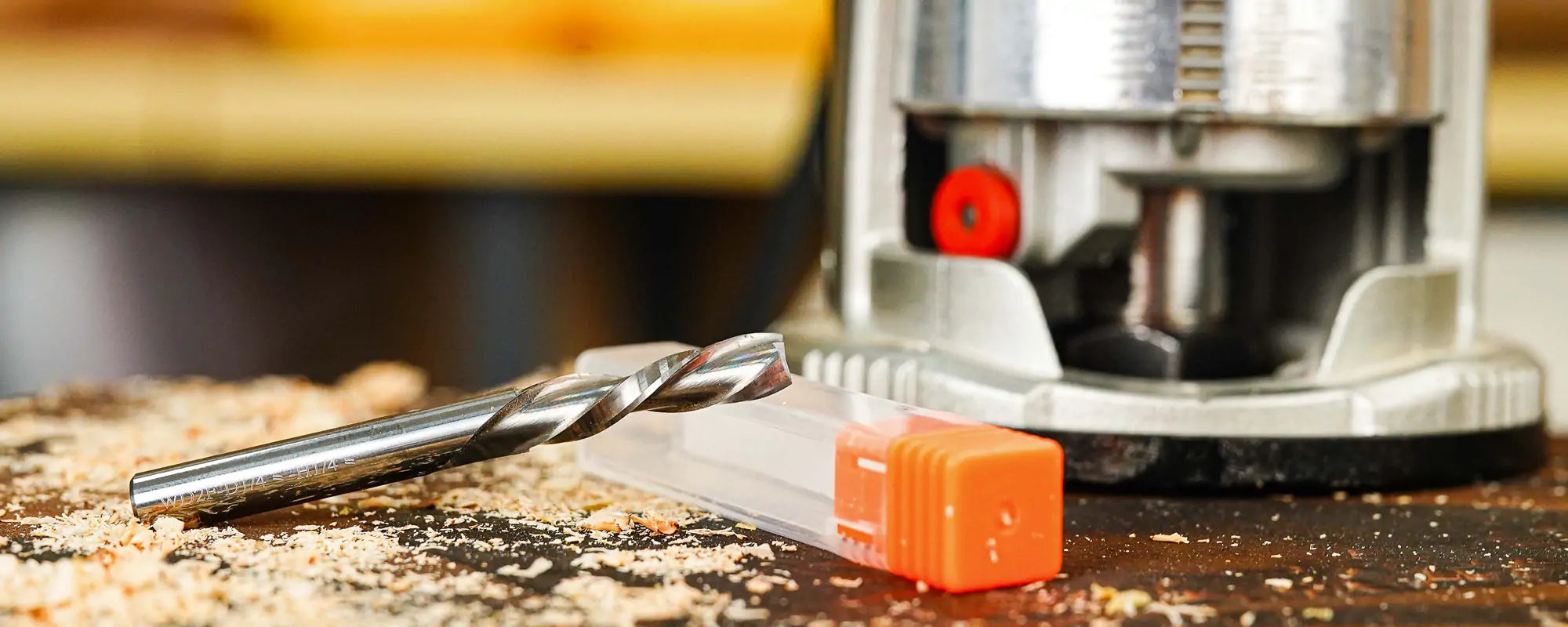
The Pro Solution: Do not attack those uneven seams with a belt sander—you will only create dips and gouges. The absolute best way to achieve a glass-like finish is by setting up a router sled. By equipping your router with a SpeTool Surfacing Router Bit, you can shave off those microscopic high spots and dried glue in minutes, leaving you with a breathtakingly flat surface ready for final finishing.
Conclusion
Mastering the panel glue-up is all about preparation, patience, and understanding the mechanics of wood. By milling perfect edges, alternating your growth rings, running a dry test, and using the right panel clamps, you take the anxiety out of the process. Remember, woodworking is a conversation with the material. Listen to the wood, clamp it smartly, and finish it with precision tooling. With the right technique, every glue-up will result in a perfectly flat, heirloom-quality panel.