
Why 6061 Anodized Aluminum is the Gold Standard for Router Rails
The Metallurgy of 6061 Aluminum
When professional woodworkers and tool enthusiasts research a router flattening sled, the material of the rails is often the deciding factor. 6061 aluminum, often referred to as 'aircraft-grade,' is a precipitation-hardened alloy containing magnesium and silicon as its major alloying elements. Unlike cheaper 6000-series variants, 6061-T6 offers a superior strength-to-weight ratio and excellent structural integrity.
In the context of router sleds, this alloy provides the necessary stiffness to support heavy plunge routers without the weight penalty of solid steel. According to metallurgical standards, 6061 aluminum is highly resistant to corrosion and maintains its form under significant mechanical stress, making it the ideal candidate for precision woodworking jigs.
Solving the Sagging Problem in Router Sleds
The primary enemy of a flat wood slab is rail deflection. If a router sled for flattening slabs sags even a fraction of a millimeter in the center, that error is magnified across the entire surface of your workpiece. This results in 'gouges' or 'ridges' that require hours of additional sanding.
6061 aluminum rails are engineered to resist this bending moment. Because the material is extruded with high precision, it remains dead-flat over long spans. This anti-warp property is essential for anyone working with expensive live-edge slabs where there is no room for error.
The Role of Anodization in Tool Longevity
Raw aluminum is prone to oxidation and can leave dark marks on wood surfaces. Anodization is an electrochemical process that converts the metal surface into a decorative, durable, corrosion-resistant, anodic oxide finish. For a router flattening sled, this means:
- Reduced Friction: The router carriage slides smoothly without the 'stick-slip' phenomenon.
- Surface Hardness: The rails resist scratches from wood chips and debris.
- Zero Contamination: Unlike steel, which can rust and stain wood, anodized aluminum remains inert.
Featured Solution: SpeTool Cratos S01001
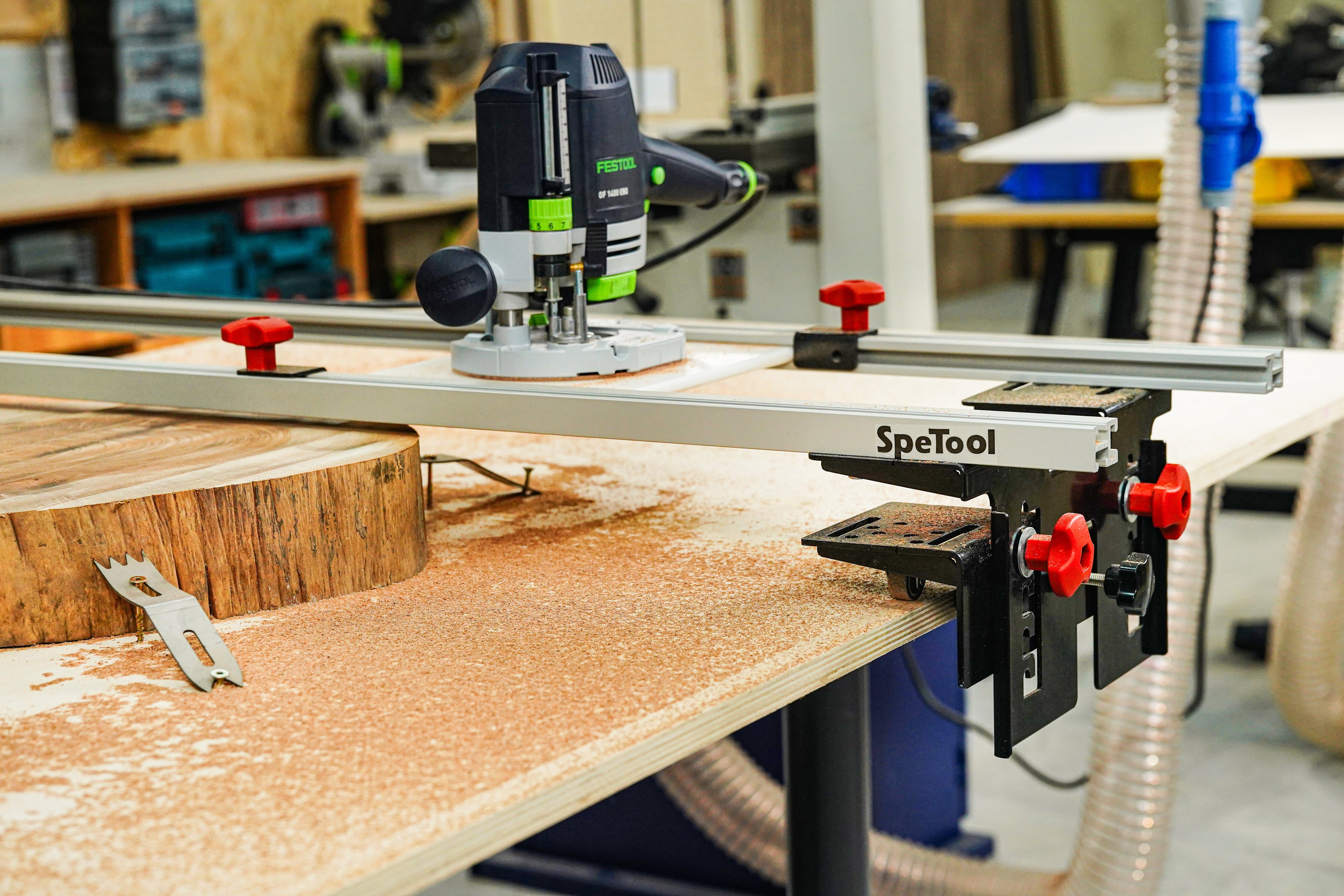
If you are looking for a professional-grade tool that embodies these metallurgical benefits, the SpeTool Cratos S01001 Router Sled is the industry benchmark. This sled is built with sturdy and precision-engineered 6061 high-strength anodized aluminum alloy rails that will never bend or warp, even after years of heavy workshop use.
Key Features of the Cratos S01001:
- Precision Height Adjustment: Featuring a unique base bracket and lift bracket system with 5 preset heights. No manual balancing is needed—just click and go, making it perfect for thin wood projects.
- Z-Axis Accuracy: Includes a laser pre-set position for the Z-axis, allowing for height adjustments that won't slip during operation.
- Dust Management: Compatible with SpeTool dust collection systems (ASIN: B0D78YXTK8), capturing up to 90% of wood chips for a cleaner environment.
- Universal Fit: Comes with two router plates (one pre-drilled and one blank for DIY customization) to ensure compatibility with almost any router on the market.
- Easy Slide-In: An opening breach in the brackets allows the router to slide in effortlessly, streamlining your setup time.
Optimizing Your Wood Slab Flattening Workflow
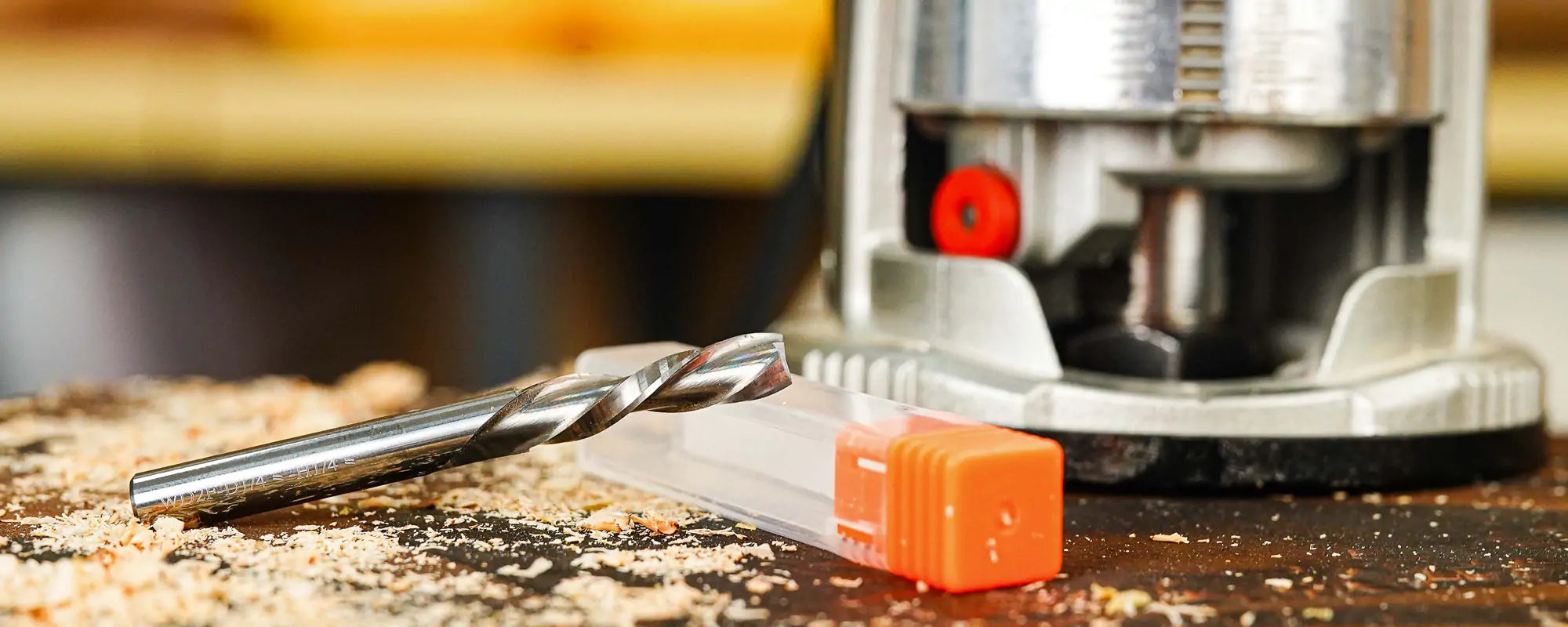
Using high-quality router sleds is only half the battle. To achieve a glass-like finish, professionals recommend using the formula-based approach for bit overhang. If your router bit is too short for the sled height, utilizing a Router Collet Chuck Extension is necessary. The SpeTool Cratos package is 'All-Inclusive,' providing the clamping tools and screws needed to fix your wood plate securely before you begin milling.
By investing in 6061 aluminum hardware, you are not just buying a jig; you are buying the assurance that your flat surfaces will actually be flat, saving you time, labor, and expensive timber.