
Choosing the Best Router Bit for Your Sled: Top 5 Flattening Bits
Flattening a massive, warped live-edge slab is one of the most satisfying yet challenging tasks in woodworking. While a high-quality router sled provides the necessary framework, the actual quality of the finish depends heavily on your choice of tooling. Using the wrong router bit for flattening slabs can lead to burning, tear-out, or uneven ridges that take hours to sand away.
Understanding Flattening Bits
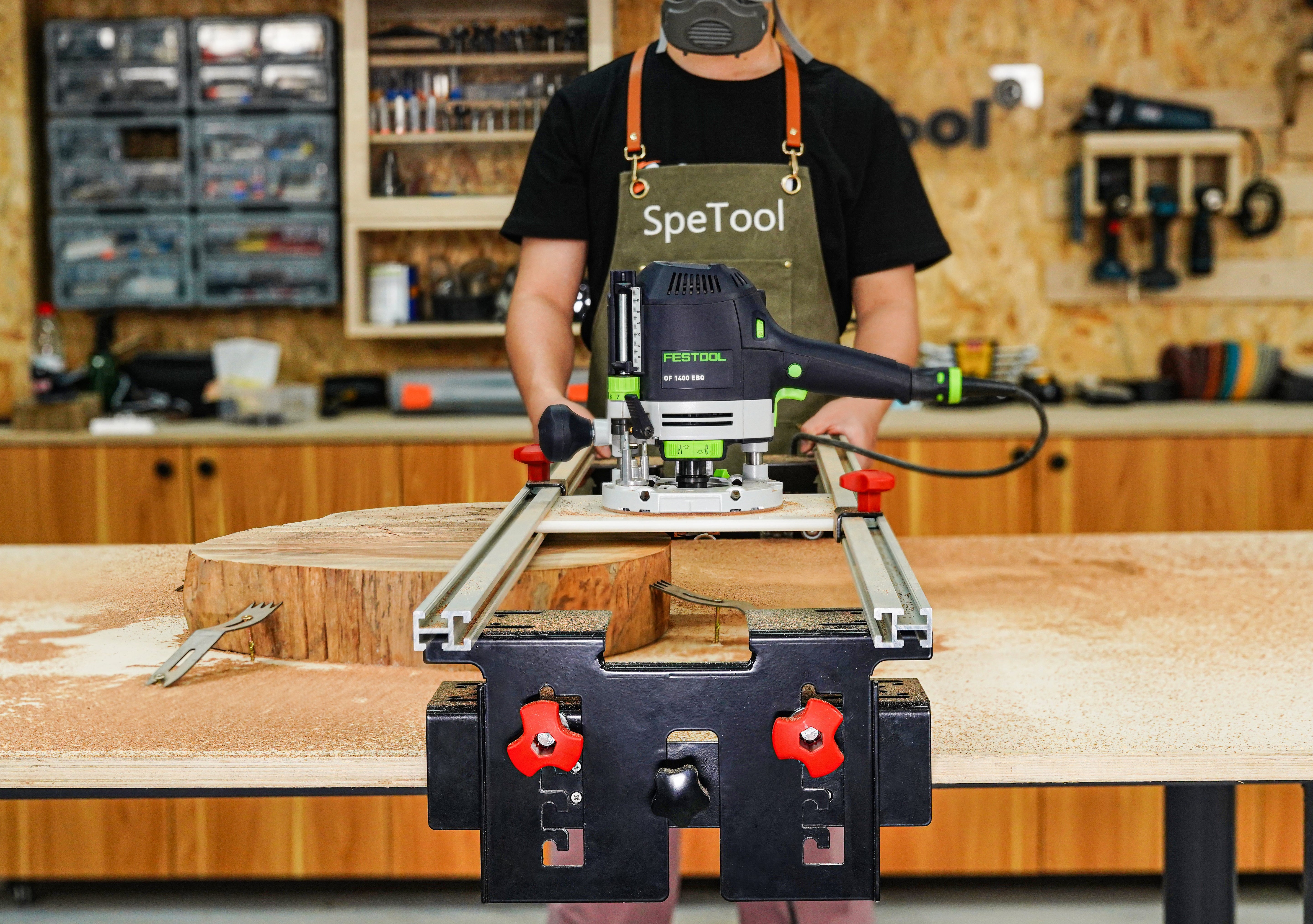
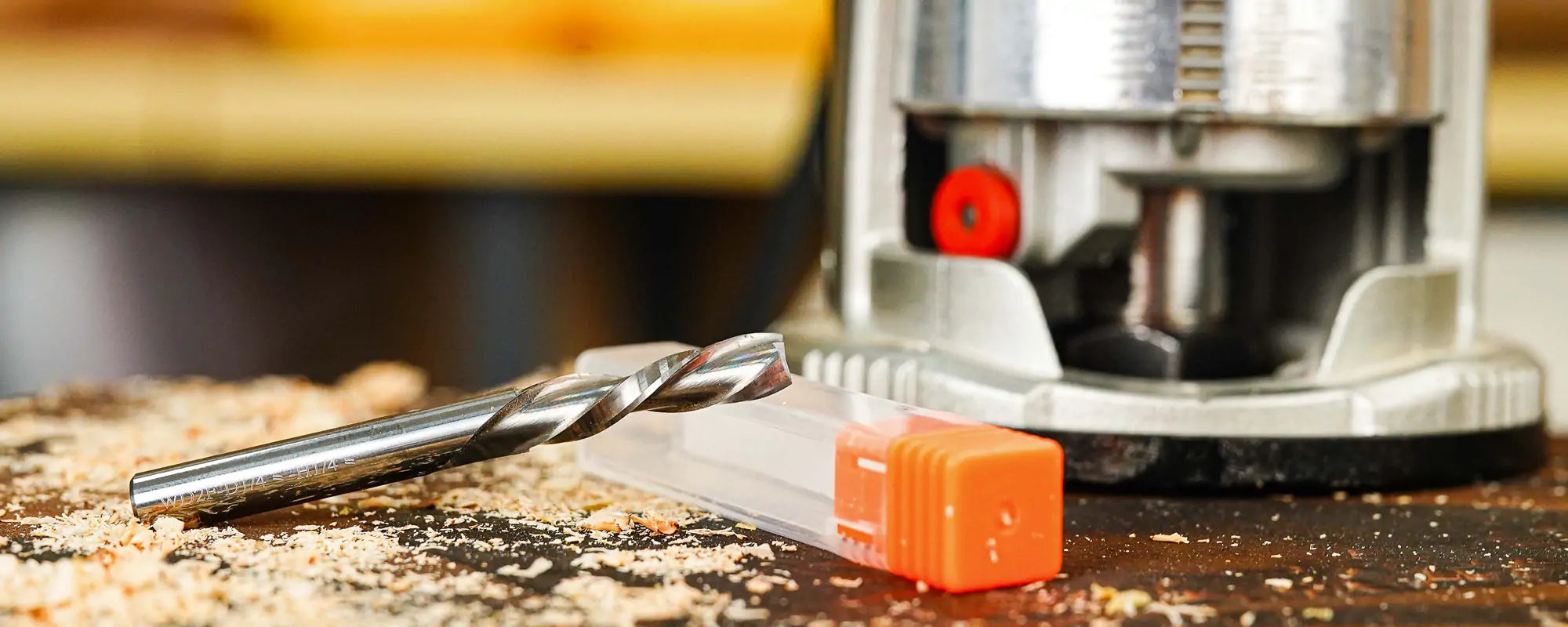
Flattening bits, often called surfacing or spoilboard bits, are designed with a wide diameter and flat bottom. Unlike standard straight bits, these are engineered to remove material over a large surface area efficiently. When used with a router sled for planing, they act as a portable thickness planer for pieces of wood too wide for traditional machinery.
Key Selection Criteria
Before choosing a bit, consider the following factors to ensure compatibility with your woodworking router:
- Shank Size: Most slab flattening bits require a 1/2-inch shank for stability and to handle the torque of large-diameter cutters.
- Cutter Diameter: A 1.5-inch to 2.5-inch diameter is standard. Larger diameters cover more ground but require a more powerful router.
- Insert Carbide vs. Brazed: Insert bits allow you to rotate or replace small carbide knives when they get dull, which is more cost-effective in the long run than resharpening brazed bits.
Top 5 Router Bit Recommendations
1. Industrial Insert Carbide Surfacing Bits
These are the gold standard for high-volume shops. They feature replaceable knives that ensure a perfectly flat bottom every time.
2. Heavy-Duty Brazed Surfacing Bits
Ideal for hobbyists, these bits offer a solid one-piece construction. They are often more affordable upfront but require professional sharpening once dull.
3. Multi-Wing Flattening Bits
Bits with 3 or 4 wings provide a smoother finish because they increase the number of cuts per revolution, reducing the 'scalloping' effect often seen on a router planer sled.
4. SpeTool Cratos Series Surfacing Bits
Designed for precision and durability, these bits pair perfectly with high-performance sleds to deliver a glass-like finish on hardwoods like Walnut and Oak.
5. Small Diameter Bottom Cleaning Bits
For smaller slabs or when using a lower-horsepower router, a 1-inch bottom cleaning bit provides better control and less strain on the motor.
Optimizing Your Router Sled Setup
Even the best bit will fail if your hardware is subpar. For professional results, we recommend the SpeTool Cratos S01001 Router Sled. This system is engineered for sturdiness and precision; the rail is made of 6061 high-strength anodized aluminum alloy that will never bend or warp, even under heavy use.
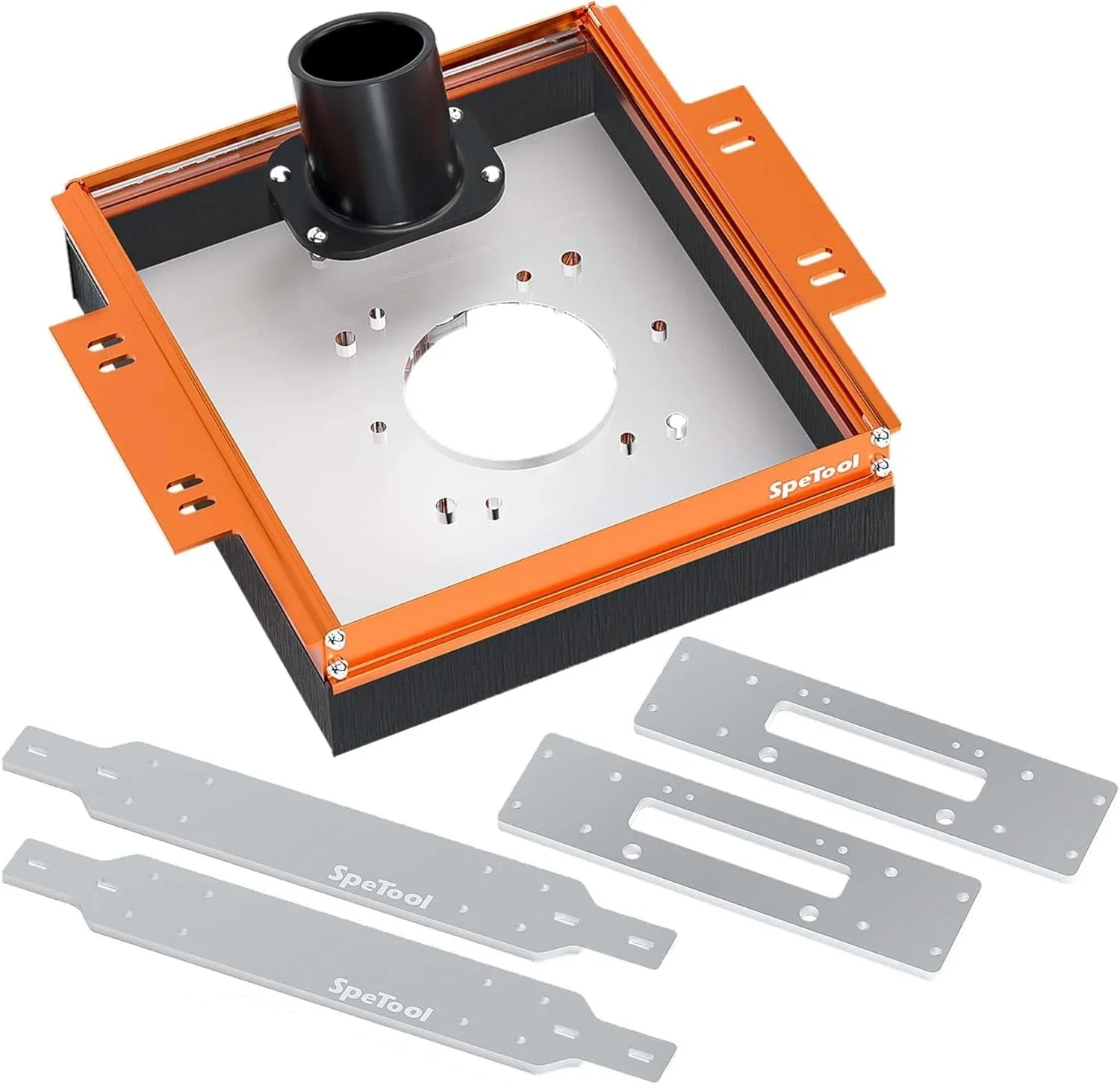
The Cratos S01001 features a laser pre-set position for the Z-axis, making it incredibly easy to adjust height without slippage. It includes a base bracket and a lift bracket with 5 preset heights—no more balancing acts, just click and go. If your bit is too short for deep slabs, consider a Router Collet Chuck Extension. You can use the standard overhang formula provided in our guides to ensure safety. Furthermore, this sled fits most routers via two included plates (one pre-drilled and one blank for DIY customization) and can be used with SpeTool dust collection systems to capture 90% of wood chips.
Maintenance for Longevity
To keep your router bit for flattening slabs performing at its peak, always clean off pitch and resin after use. Check the torque on insert screws frequently, as vibration from a long session on a router sled can occasionally loosen them. Proper maintenance ensures your slabs remain flat and your workshop stays safe.