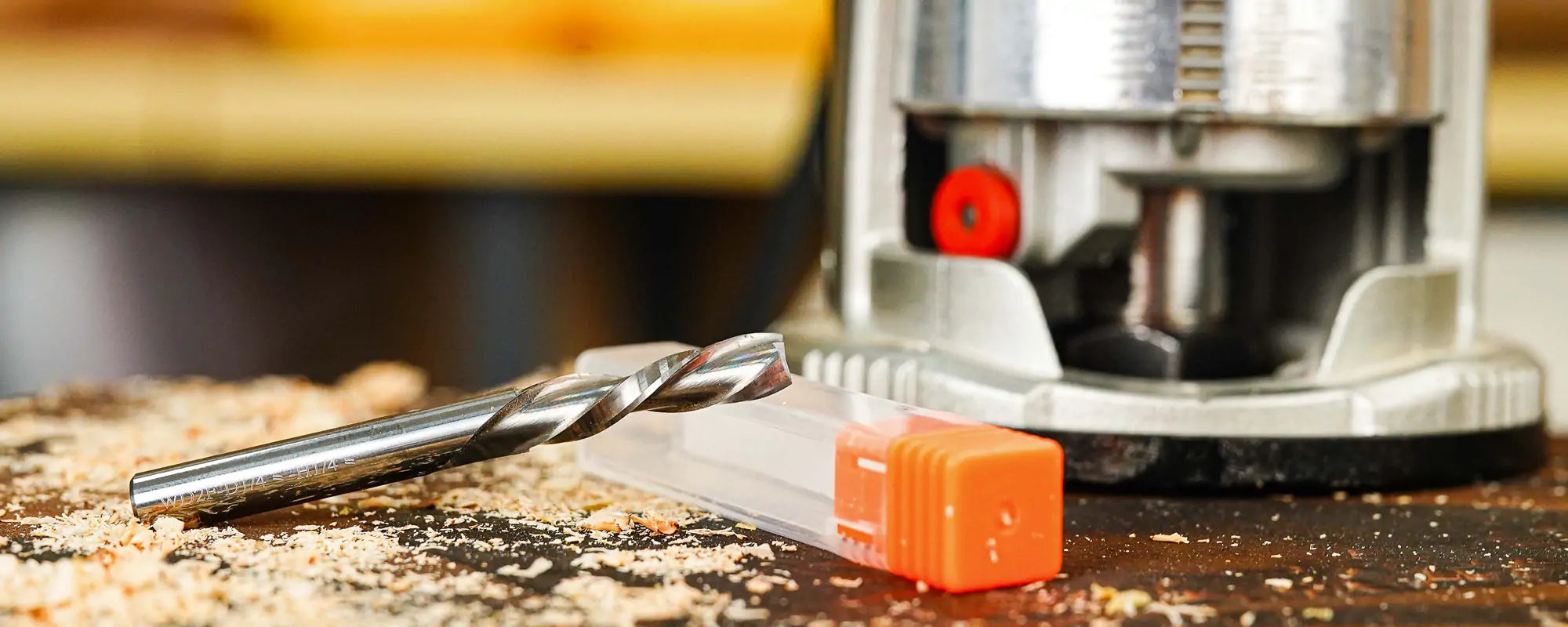

When to Use a Router Collet Chuck Extension with Your Flattening Sled
Introduction
Working with live-edge slabs and massive timber is a hallmark of modern woodworking. However, achieving a perfectly flat surface on a piece of wood that is 4 to 6 inches thick presents unique challenges. Often, the bridge of your router sled sits at a height that standard router bits simply cannot reach. This is where a router collet chuck extension becomes an essential tool in your workshop arsenal.
Why Use a Router Collet Extension?
The primary reason woodworkers turn to a collet extension is depth of cut. When using a router flattening sled, the thickness of the sled base plus the height of the rails often consumes a significant portion of the router bit's shank length. If you are milling a deep slab, the bit might not reach the timber even when the router is fully plunged.
According to Wikipedia's entry on woodworking routers, the stability of the tool is paramount. An extension allows you to bridge that gap safely, provided you use high-quality hardware designed for high-RPM applications.
The SpeTool Solution for Thick Slabs
When precision is non-negotiable, the equipment you choose for your router flattening sled matters. The SpeTool Cratos S01001 Router Sled is engineered to handle these heavy-duty tasks with ease. Constructed from high-strength 6061 anodized aluminum alloy, the rails are designed to never bend or warp, ensuring a flat plane over thousands of board feet.
Key Benefits of the SpeTool Cratos:
- Accurate Height Adjustment: It features 5 pre-set Z-axis positions ranging from 1.5 to 6 inches. This versatility is perfect for thinner wood, but if your milling cutter length is still insufficient for deep slabs, it is specifically designed to work in conjunction with a router collet chuck extension.
- Sturdy and Precise: The laser pre-set positions for the Z-axis allow for height adjustments without the risk of slipping, maintaining a level cut across the entire width of the slab.
- Universal Compatibility: The package includes two router plates (one pre-drilled and one blank for DIY), ensuring it fits most routers on the market today.
- Clean Workspace: Pair it with the SpeTool dust collection system (ASIN: B0D78YXTK8) to capture up to 90% of wood chips.
Explore more precision tools at SpeTool Official to enhance your slab-leveling workflow.
Safety and Technical Guidelines
Using a router collet extension increases the leverage on your router's bearings. To ensure safety, follow these industry standards:
- Speed Management: Never run a router at maximum RPM when using an extension. Large flattening bits should typically run between 10,000 and 16,000 RPM depending on the diameter.
- Shank Engagement: Ensure the extension is fully seated in the router collet, and the bit is fully seated in the extension. Leave a small gap (about 1/16") to prevent the bit from bottoming out and causing vibration.
- Shallow Passes: Do not attempt to remove too much material in a single pass. The added length of the extension makes the assembly more prone to deflection.
Conclusion
A router collet chuck extension is a powerful accessory that unlocks the full potential of your router sled, especially when dealing with the impressive timber thicknesses handled by the SpeTool Cratos system. By combining high-strength aluminum rails with the extra reach of an extension, you can transform a rough, warped slab into a professional-grade tabletop with surgical precision.