
How to Use a Portable Drill Guide for Perfectly Centered Holes in Pipes
Drilling a straight, centered hole into a round surface is one of the most frustrating challenges for makers, plumbers, and metalworkers. Without a proper setup, the drill bit inevitably wanders across the curved surface, leading to offset holes and ruined materials. The solution is using a portable drill guide for round stock and pipes.
Table of Contents
- The Challenge of Drilling Round Stock
- The V-Groove Base Advantage
- Step-by-Step Guide to Precision Drilling
- Choosing the Best Portable Drill Guide
- Pro Tips and Safety
The Challenge of Drilling Round Stock
Whether you are working with electrical conduit, copper plumbing pipes, or steel tubing, physics works against you. A standard drill bit tip is designed to bite into flat surfaces. On a cylinder, the point of contact is incredibly small, causing the bit to 'walk.' Traditional solutions like using a center punch help, but they don't guarantee that the drill stays perpendicular throughout the cut.
The V-Groove Base Advantage
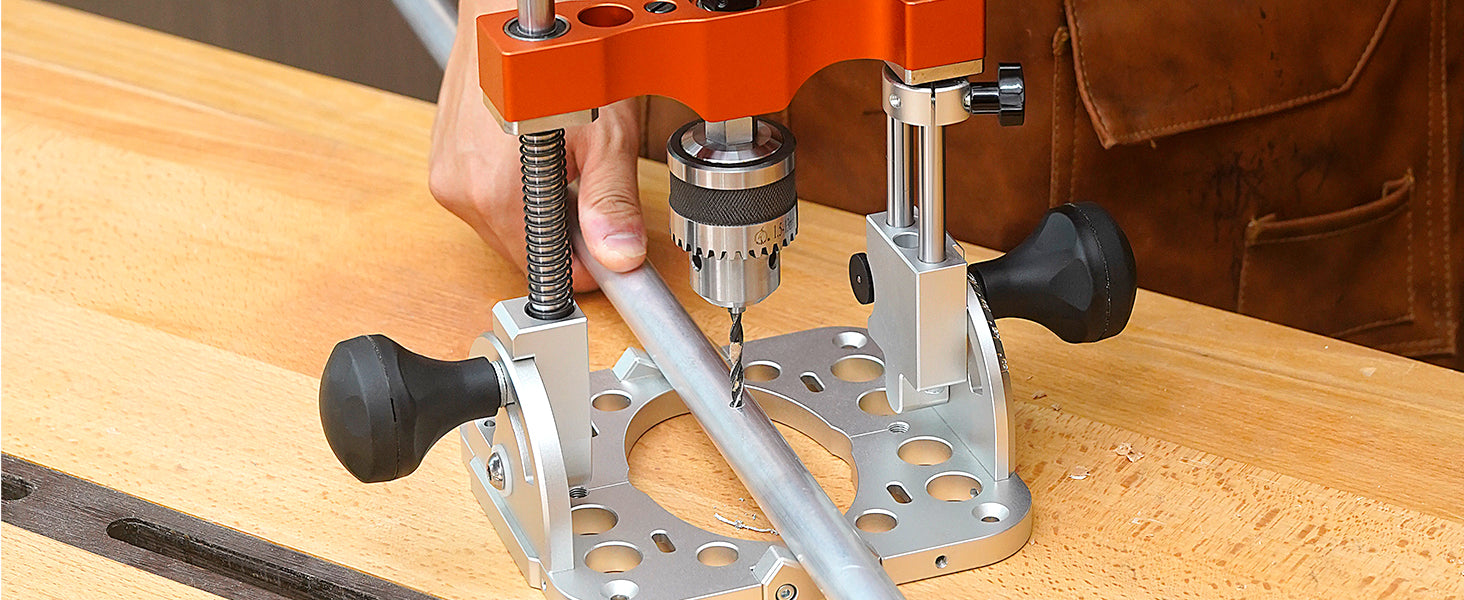
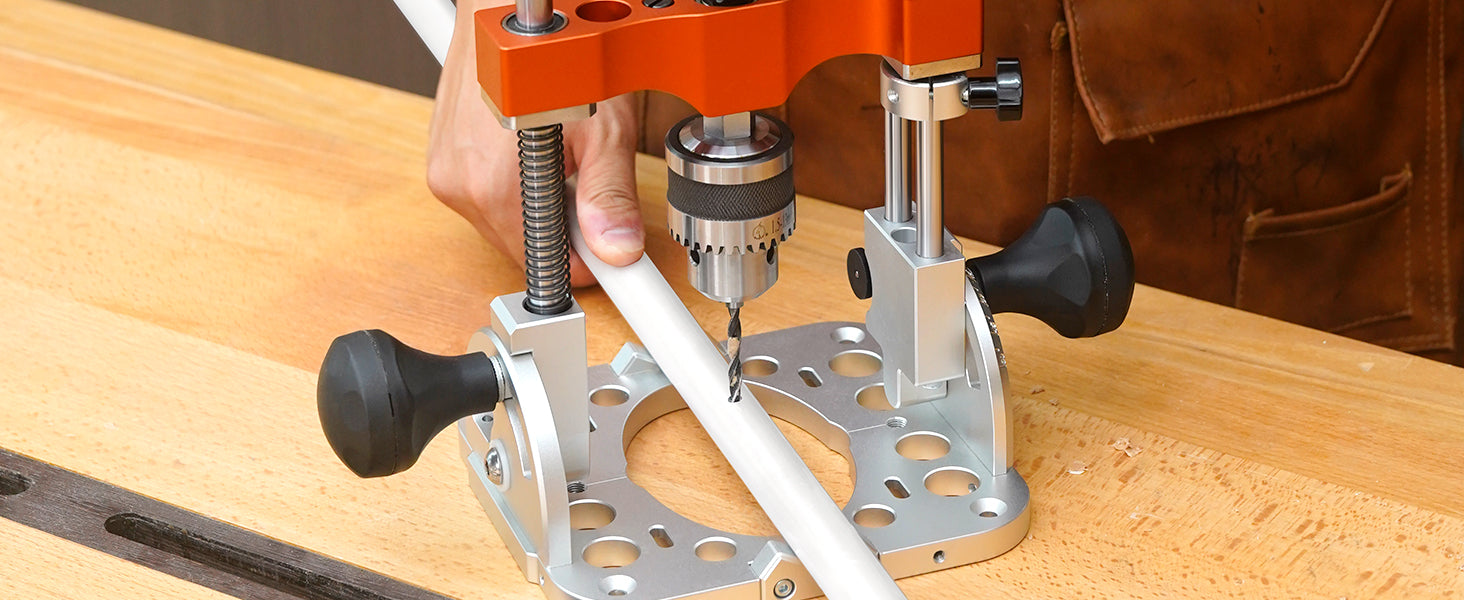
For those in metalworking and plumbing, the most critical feature of a high-quality guide is the V-groove base. This design allows the guide to 'cradle' the pipe. By aligning the V-shape over the round stock, the tool automatically centers itself along the apex of the curve. This is where portable drill guides specifically designed for versatility shine.
For professionals needing maximum precision, the SpeTool Portable Drill Guide offers a specialized base that handles round stock with ease. Its robust construction ensures that once you lock it onto a pipe, the guide doesn't shift, which is a common complaint found in many Amazon reviews for cheaper alternatives.
Step-by-Step Guide: Drilling Centered Holes
1. Mark Your Centerline
Use a marking pen to indicate where the hole needs to go. For long pipes, a pipe centering tool can help ensure your marks are consistent across the length.
2. Position the Guide
Place your portable drill guide over the pipe. Ensure the V-groove is seated firmly against the surface. If you are using the SpeTool portable drill guide, you can also take advantage of the angle adjustment if you need an entry point other than 90 degrees.
3. Secure the Workpiece
If the pipe is small, secure it in a vise. For larger pipes already installed in a structure, use clamps to hold the drill guide's base against the pipe to prevent vibration-induced movement.
4. Select the Right Bit
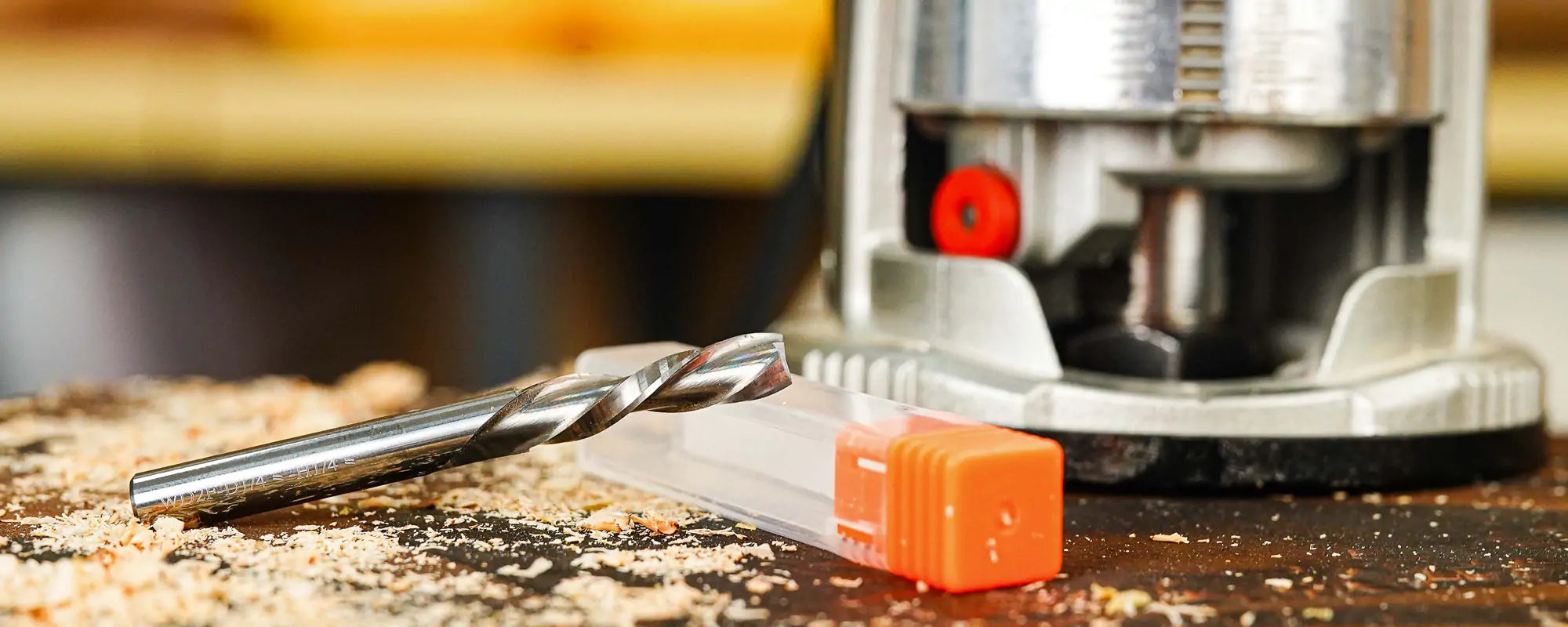
Match your drill bit to the material. For metal pipes, a cobalt or carbide-tipped bit is recommended. Check out the selection of SpeTool cutting tools for high-performance options.
5. Execute the Drill
Start the drill at a slow speed to let the bit find its seat. Once the bit has entered the material, maintain steady pressure. The guide will ensure the hole remains perfectly vertical or at your pre-set angle.
Choosing the Best Portable Drill Guide
When shopping for portable drill guides, look for these features:
- Adjustable Angles: The ability to tilt from 0 to 60 degrees is vital for complex plumbing joins.
- Build Quality: Avoid plastic bases that flex under pressure. Aluminum or steel is preferred.
- Chuck Capacity: Ensure the integrated chuck can hold the bits you use most often.
The SpeTool portable drill guide is a standout in this category because it combines a high-precision adjustable head with a stable V-base, making it a favorite for both workshop and job-site applications.
Pro Tips and Safety
Always wear eye protection when drilling metal. Shards can fly out at high speeds. Additionally, when drilling through thick-walled pipes, use a cutting fluid to reduce heat and prolong the life of your drill bits.