
No More Slipping: How to Safely Drill Holes in Dowels, Pipes, and Round Stock
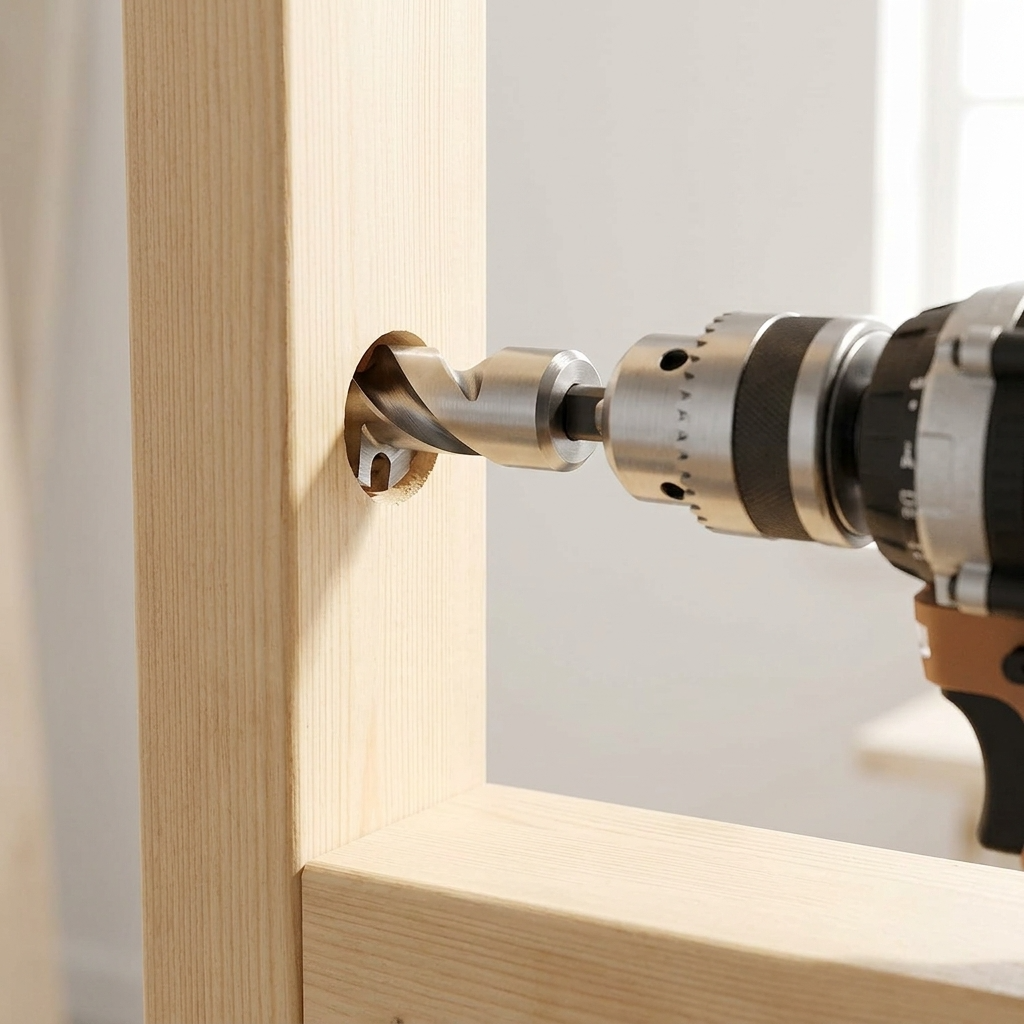
If you have ever tried drilling holes in round stock DIY style, you know the frustration. You mark your spot, set the bit, and the moment you apply pressure, the drill bit skids across the surface, leaving a nasty scar on your wood or metal. Worse, if you do manage to start the hole, it often ends up crooked or off-center.
Whether you are building a custom chair with dowels or running conduit pipes for a home project, precision is non-negotiable. In this guide, we will explore why round stock is so difficult to work with and how the right tools can turn a frustrating task into a professional-grade result.
Table of Contents
- The Physics of Round Stock Drilling
- Traditional DIY Methods (and Their Flaws)
- The Professional Solution: Portable Drill Guides
- Step-by-Step: How to Drill Round Stock Safely
- Maintenance and Pro Tips
The Physics of Round Stock Drilling
The primary issue with round stock is the lack of a flat surface. On a flat board, the drill bit has a stable point of entry. On a cylinder, the bit is trying to grab a curved surface where the contact point is infinitesimally small. This is why "walking" or "slipping" occurs, which can be dangerous for both the workpiece and the user.
Traditional DIY Methods (and Their Flaws)
DIYers have used various hacks over the years to combat this:
- The Masking Tape Trick: Wrapping the pipe in tape to give the bit more grip. (Result: Often fails on harder materials like metal.)
- Center Punching: Hammering a small divot to guide the bit. (Result: Helpful, but doesn't prevent the drill from tilting as you go deeper.)
- V-Blocks: Using wooden blocks with a 'V' cut to hold the stock. (Result: Effective, but difficult to align with a hand drill.)
The Professional Solution: Portable Drill Guides
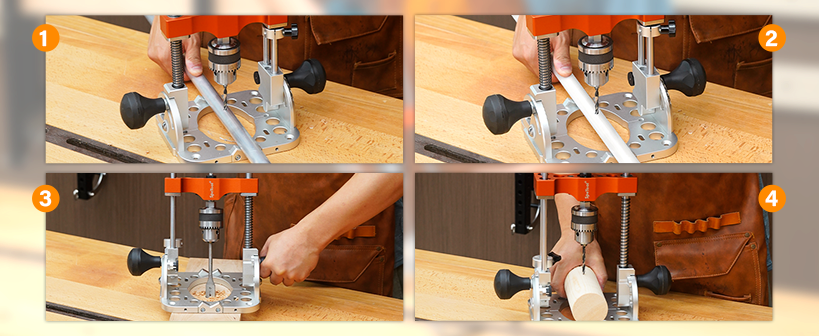
If you don't have space for a massive drill press, the SpeTool Auto-Line Portable Drill Guide is the ultimate game-changer. Unlike generic guides, this tool is specifically engineered with a built-in V-groove base. This groove automatically centers dowels and pipes, ensuring that your hole goes directly through the center of the diameter every single time.
Constructed with a durable aluminum body, it provides the stability of a stationary machine with the portability of a hand tool. With less than 0.1mm radial runout, you can achieve high-precision drilling in wood, plastic, and even thin metal without the risk of the bit wandering.
Step-by-Step: How to Drill Round Stock Safely
To get the best results, follow these steps:
1. Measure and Mark
Use a pencil or scribe to mark your center point. For high accuracy, use a center finder tool.
2. Secure Your Stock
Even with a guide, you should clamp your round stock to a workbench. This prevents the pipe from rotating under the torque of the drill.
3. Position the Guide
Place the SpeTool Drill Guide over the stock. The V-groove on the bottom of the base should straddle the pipe perfectly. Use the built-in crosshairs to align the drill bit precisely with your mark.
4. Set the Depth
One of the best features of the SpeTool guide is the 160mm max drilling depth. Set your stop collar if you don't want to drill all the way through.
5. Drill with Consistent Pressure
The spring-loaded mechanism on the SpeTool guide returns the drill to the start position automatically. This reduces fatigue and allows for a smooth, continuous motion without sticking.
Maintenance and Pro Tips
For long-lasting precision, keep your guide clean. The SpeTool guide uses built-in ball bearings, meaning it glides smoothly without the need for messy lubrication. If you are working in tight spaces, remember the Zero-Edge feature: you can flip the chuck carrier to drill flush against edges or corners.
Check out more specialized woodworking tools at SpeTool to complete your workshop setup.
FAQ
Q: Can I use this for metal pipes?
A: Yes, the guide is suitable for wood, plastic, and thin metal. For metal, always use a slower drill speed and a bit rated for metal.
Q: What size drill bits does it hold?
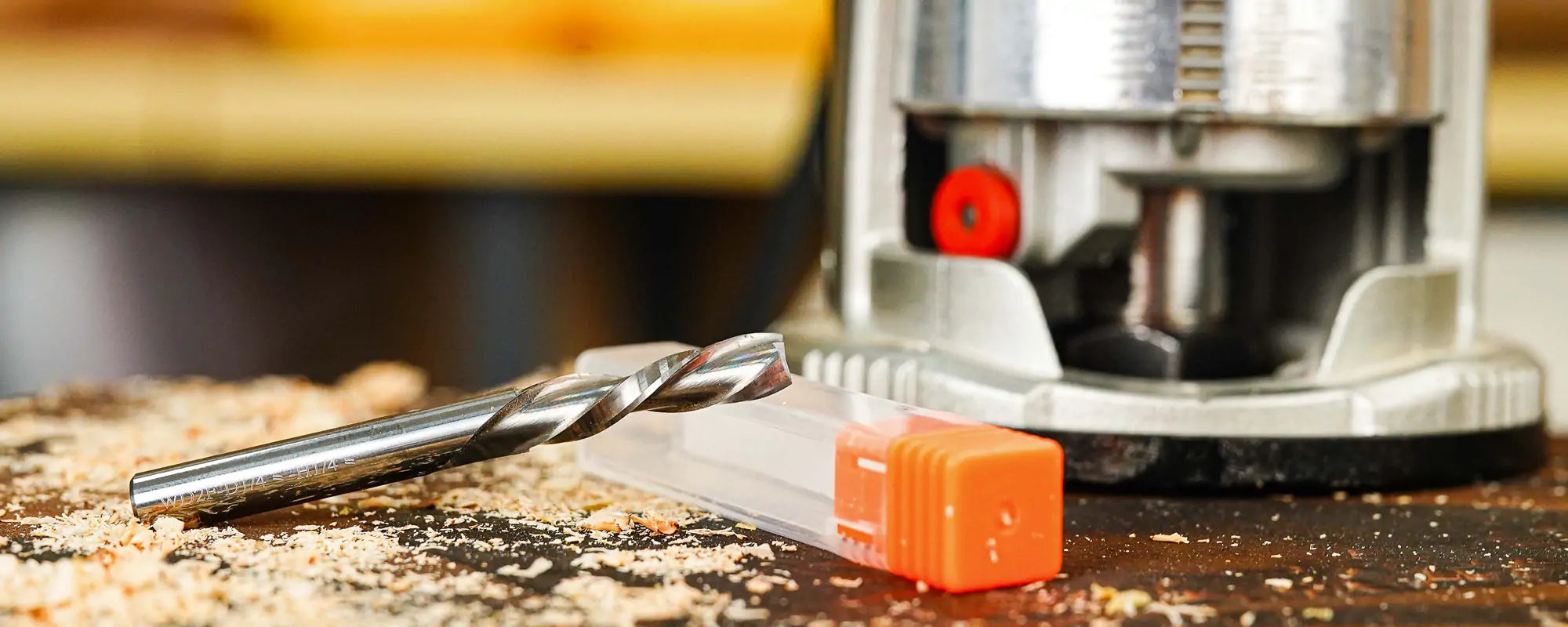
A: The 1/2" (13mm) keyed chuck fits most standard bits ranging from 1mm to 13mm.
Conclusion
Drilling holes in round stock DIY projects doesn't have to be a gamble. By moving away from unreliable hacks and utilizing a high-precision tool like the SpeTool Portable Drill Guide, you ensure safety, accuracy, and professional results. Stop chasing slipping bits and start drilling with confidence.