
Flattening Cookies: Tips for Leveling Cross-Cut Slabs with a Router Sled
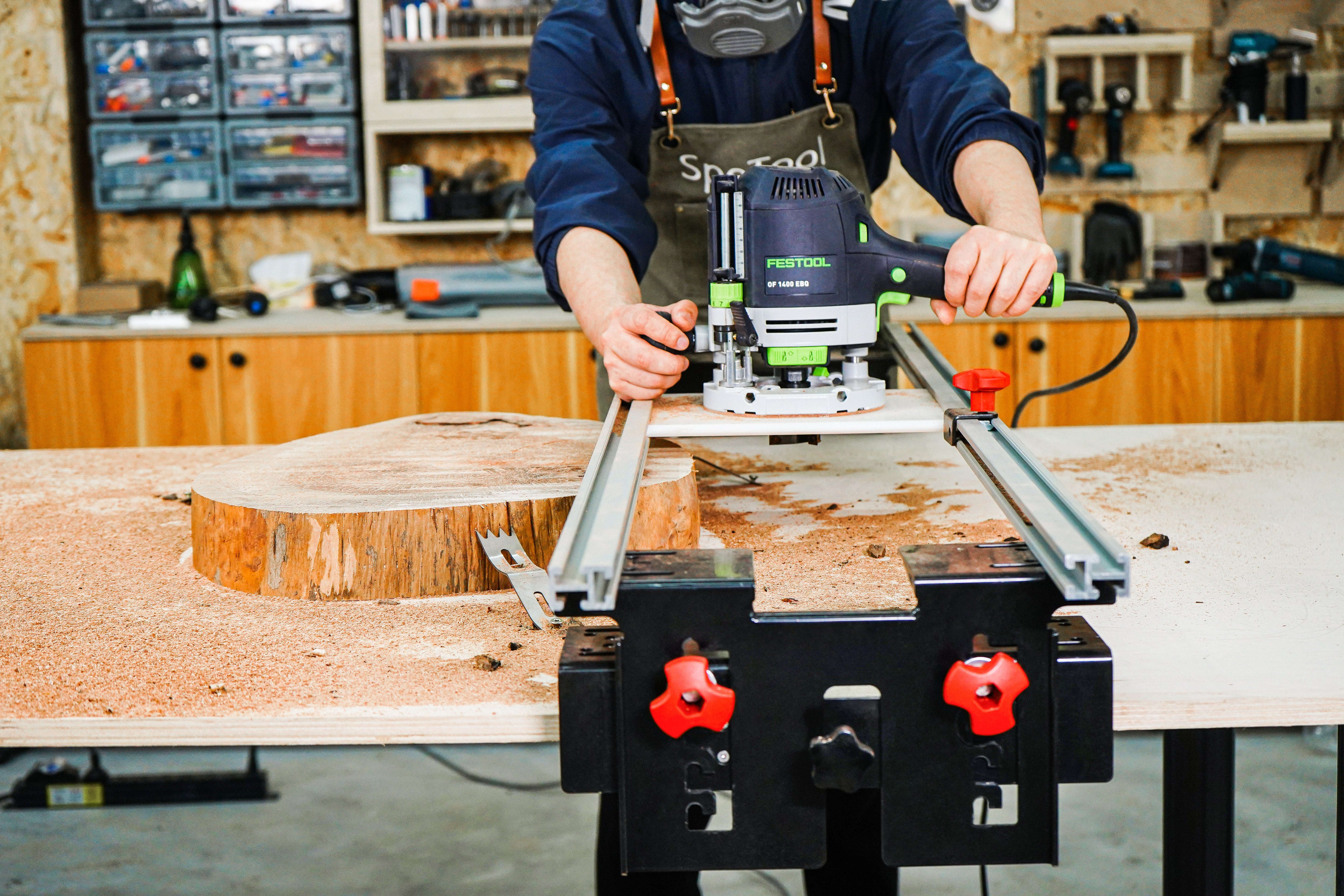
For artisans creating side tables or wall art, few things are as beautiful—or as frustrating—as a large wood "cookie." These cross-cut slabs showcase the tree's history through concentric growth rings, but their end-grain nature makes them prone to warping and difficult to level. Traditional planers can't handle them because of the risk of catastrophic tear-out. The solution for flattening uneven cookie slabs effectively is a dedicated router flattening sled.
Table of Contents
- The Challenges of End-Grain Cookies
- Choosing the Right Router Sleds
- Securing Your Slab for Success
- Techniques to Prevent Tear-out
- Managing Dust and Debris
The Challenges of End-Grain Cookies
Working with cross-cuts is different from long-grain lumber. According to Wikipedia's guide on wood grain, end grain is essentially a bundle of microscopic straws. When you flatten a cookie, you are cutting across these straws. If your tools aren't sharp or your router sled for flattening slabs isn't stable, the wood fibers will shatter rather than shear, leading to deep tear-out and rough surfaces.
Choosing the Right Router Sleds
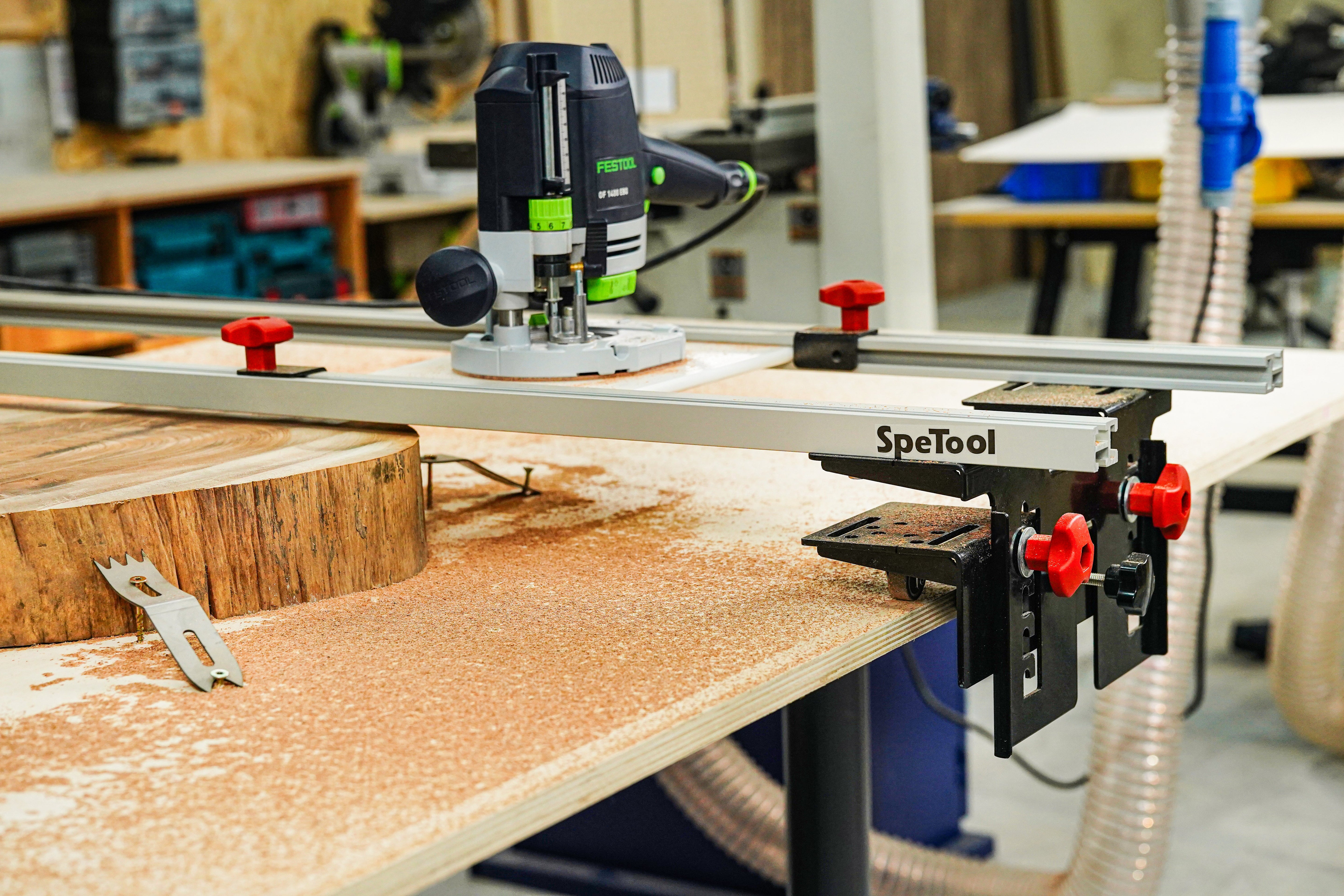
Precision is everything when leveling a piece that might become a high-end coffee table. A flimsy setup will result in "chatter" marks that take hours to sand out. For professional results, we recommend the SpeTool Cratos S01001 Router Sled.
This router flattening sled is engineered for artisans who demand stability. The rail is constructed from 6061 high-strength anodized aluminum alloy, ensuring it will never bend or warp under heavy use. One of its standout features is the precise height adjustment system, combining a base bracket and a lift bracket with 5 preset heights. This "click and go" system is perfect for thin cookies used in wall art where balancing a heavy router can be precarious. Furthermore, it includes two router plates—one pre-drilled and one blank—ensuring it fits most routers on the market.
Securing Your Slab for Success
Before you begin, your slab must be rock-solid. Because cookies are often uneven on both sides, they tend to rock. Use shims to stabilize the slab before engaging the router sleds. The SpeTool Cratos package is an all-inclusive solution, coming with specialized clamping tools to fix your wood plate securely. If your router bit is too short to reach the surface, consider a Router Collet Chuck Extension. You can use the formula provided in the product manual to calculate the safe overhang required for your specific slab thickness.
Techniques to Prevent Tear-out
When using a router sled for flattening slabs on end grain, follow these rules:
- Shallow Passes: Never try to take off more than 1/16th of an inch at a time.
- High Speed: Keep your router RPM high to ensure clean shearing of the fibers.
- Directional Control: Always move from the outside edges toward the center when possible to prevent the edges from blowing out.
- Z-Axis Precision: The SpeTool sled features a laser pre-set position for the Z-axis, allowing for easy height adjustments without the risk of the bit slipping and gouging your work.
Managing Dust and Debris
Flattening end grain produces a massive amount of fine dust and chips. To maintain a healthy workspace, this product can be used in conjunction with SpeTool dust collection (ASIN: B0D78YXTK8). This setup effectively captures up to 90% of wood chips, providing a more comfortable and visible working environment.
Investing in a high-quality router flattening sled like the SpeTool Cratos S01001 transforms a daunting task into a repeatable, precision process, allowing you to focus on the artistry of your woodworking projects.