
How to Fix Warped Wood Without a Planer: The Router Sled Method
We have all been there: you head to a big-box store, pick out the perfect piece of lumber for a tabletop or a shelf, and by the time you get it home to your workshop, it has turned into a potato chip. Wood movement is a natural phenomenon caused by changes in moisture content, but it can ruin a DIY project before it even starts. Many beginners think they need a thousand-dollar industrial planer to fix this, but there is a more accessible, precise solution: the router planer sled.
Table of Contents
- The Problem with Warped Wood and Traditional Planers
- The Solution: Why Use a Router Sled?
- The Best Tool for the Job: SpeTool Cratos S01001
- Step-by-Step Guide to Flattening Wood
- Pro-Tips for Clean Finishes
The Problem with Warped Wood and Traditional Planers
When you buy lumber from commercial retailers, it is often kiln-dried but may still contain internal stresses. Once you cut into it or the humidity in your garage changes, the wood can bow, cup, or twist. A standard thickness planer is great for making a board thinner, but if the board is warped, the rollers will simply press it flat while it passes through, only for it to spring back into its warped shape on the other side. Furthermore, most home shop planers are limited to 12 or 13 inches in width.
The Solution: Why Use a Router Sled?
A router sled works differently. Instead of pressing the wood flat, the sled provides a perfectly level reference plane above the wood. The router sits on the sled and removes high spots without applying downward pressure that would deform the board. This allows you to create one perfectly flat face, which you can then use as a reference. This method is the industry standard for flattening large slabs and wide boards that won't fit in a traditional machine.
The Best Tool for the Job: SpeTool Cratos S01001
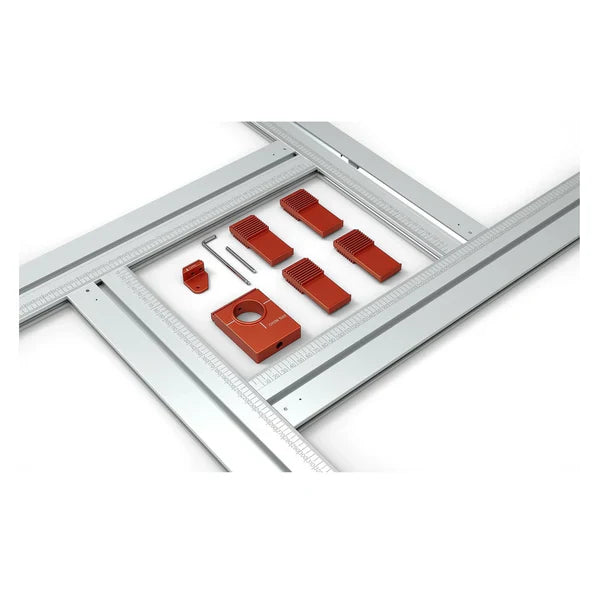
If you are looking for professional results without the frustration of building a clunky wooden jig, the SpeTool Cratos S01001 Router Sled is the ultimate upgrade for your workshop. Unlike DIY versions made of plywood that can sag over time, this router sled for planing features a rail made of 6061 high-strength anodized aluminum alloy, ensuring it will never bend or warp even after heavy use.
Key advantages of the Cratos S01001 include:
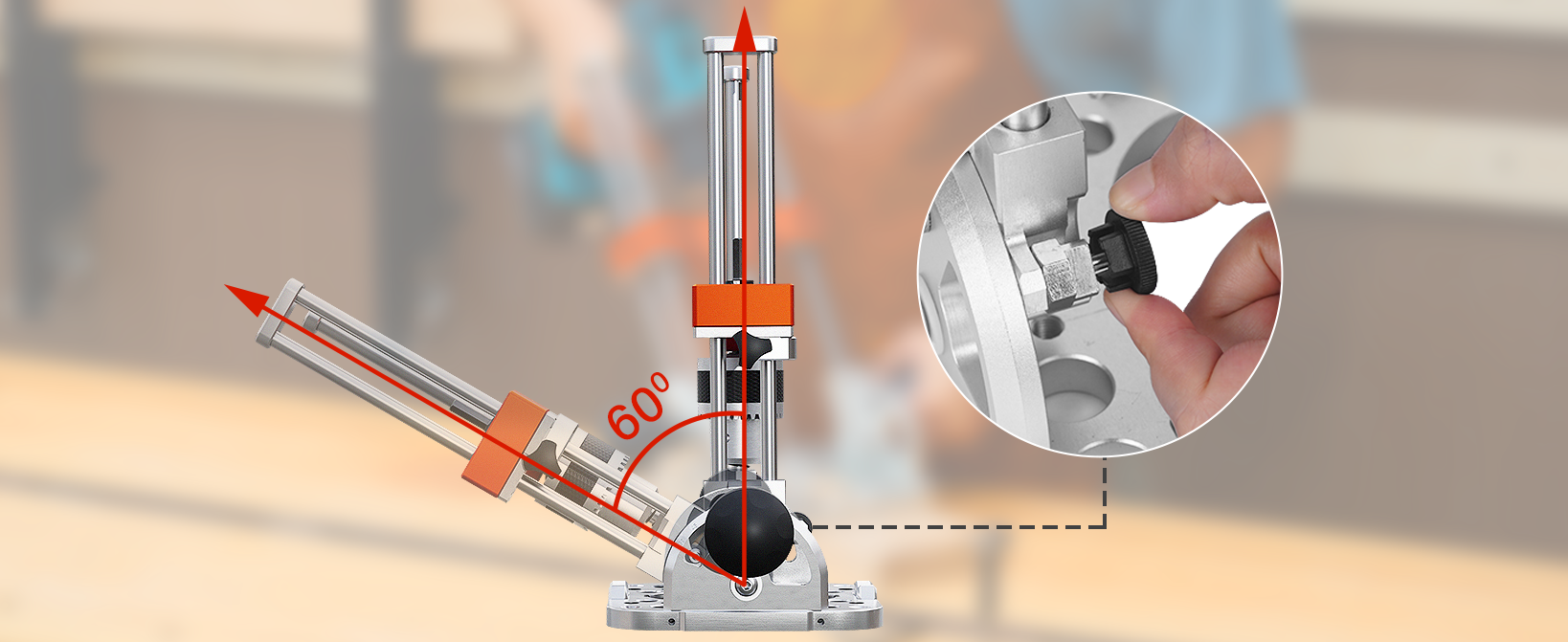
- Precise Height Adjustment: It features a base bracket and a lift bracket with 5 preset heights. This "click and go" system means no more balancing or fiddling with knobs.
- Sturdy and Precision: The laser pre-set position for the Z-axis makes height adjustments easy and slip-free.
- Compatibility: It includes two router plates—one pre-drilled and one blank for DIY mounting—ensuring it fits almost any router on the market.
- Dust Management: When used with the SpeTool dust collection system (ASIN: B0D78YXTK8), it captures 90% of wood chips, keeping your workspace clean.
Step-by-Step Guide to Flattening Wood
Step 1: Secure Your Lumber
Place your warped wood on a flat workbench. Use shims to stop the board from rocking. It is vital that the board is stable before you begin. The Cratos S01001 package conveniently comes with clamping tools to help fix your wood plate securely.
Step 2: Set Up the Router Sled
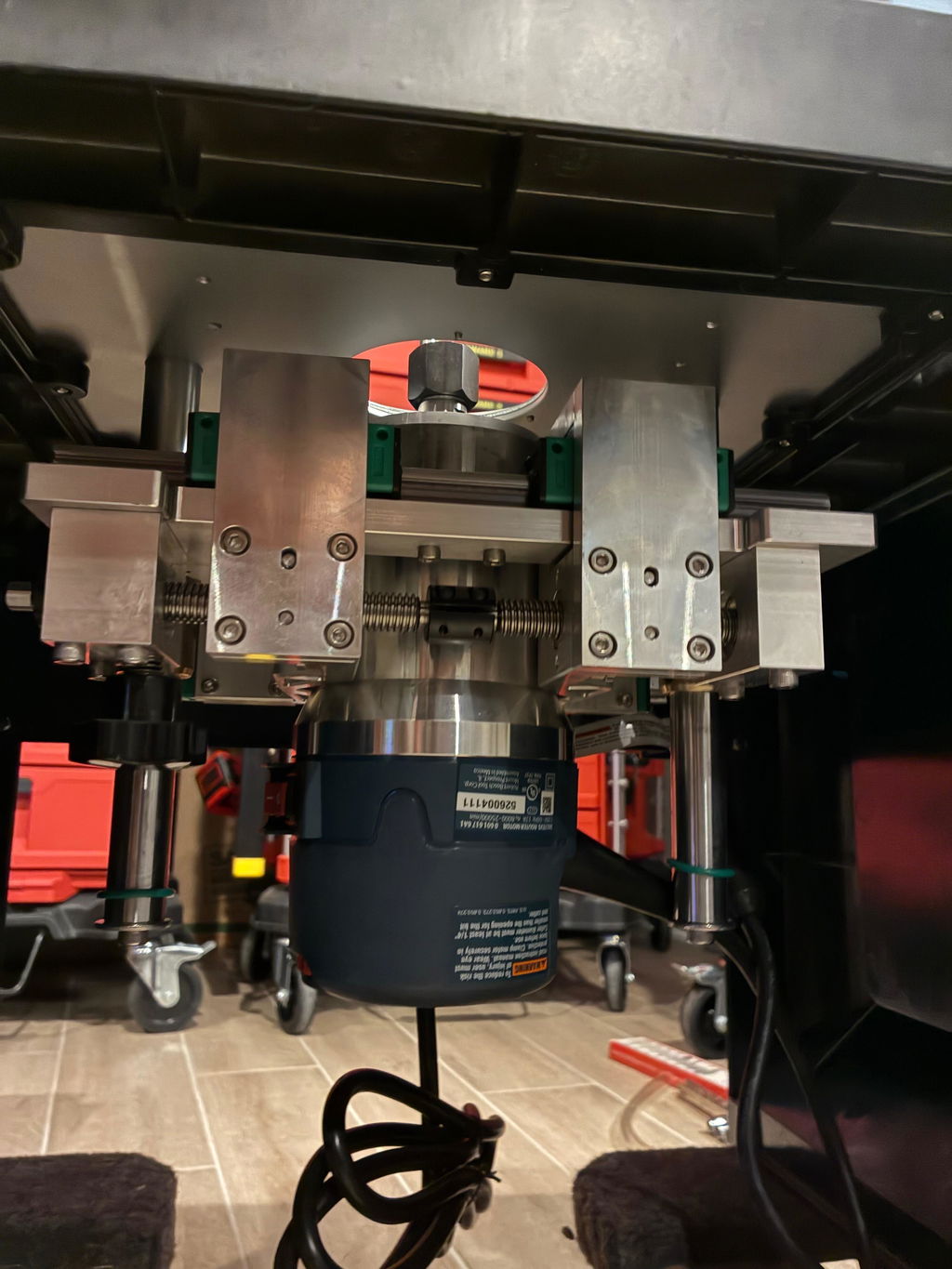
Assemble your router sled over the board. Thanks to the "Easy Slide-In" opening breach in the brackets, you can simply slide your router into the sled without complex assembly. If you find your router bit is too short to reach the wood, SpeTool recommends using a Router Collet Chuck Extension to achieve the correct overhang.
Step 3: Find the Lowest Point
Lower the router bit until it just touches the lowest spot on the board. This will be your final depth for this pass. Use the Z-axis laser pre-set positions to lock in your height.
Step 4: The Milling Process
Move the router back and forth across the width of the board, gradually advancing down the length. This "mowing the lawn" technique ensures even removal of material. The 6061 aluminum rails provide a smooth glide that eliminates the "stuttering" often found in wooden sleds.
Pro-Tips for Clean Finishes
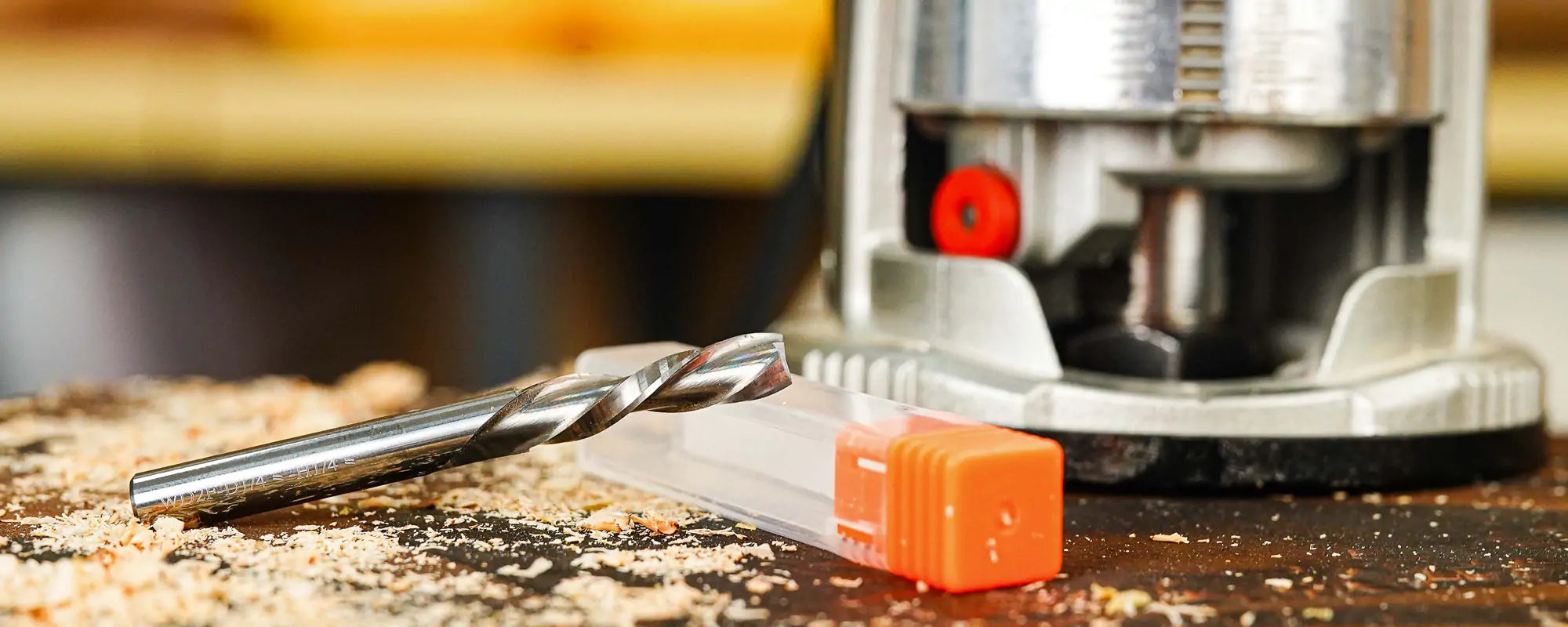
To avoid tear-out, always use sharp flattening router bits. Because the SpeTool sled is lower profile than most, it provides better stability and less vibration, which translates to less sanding later. Once one side is flat, flip the board over. Since you now have one perfectly flat face, you can remove the shims and flatten the second side to achieve a uniform thickness.
Whether you are a hobbyist fixing a single shelf or a pro working on live-edge slabs, a high-quality router planer sled is the most versatile tool you can own for wood preparation.