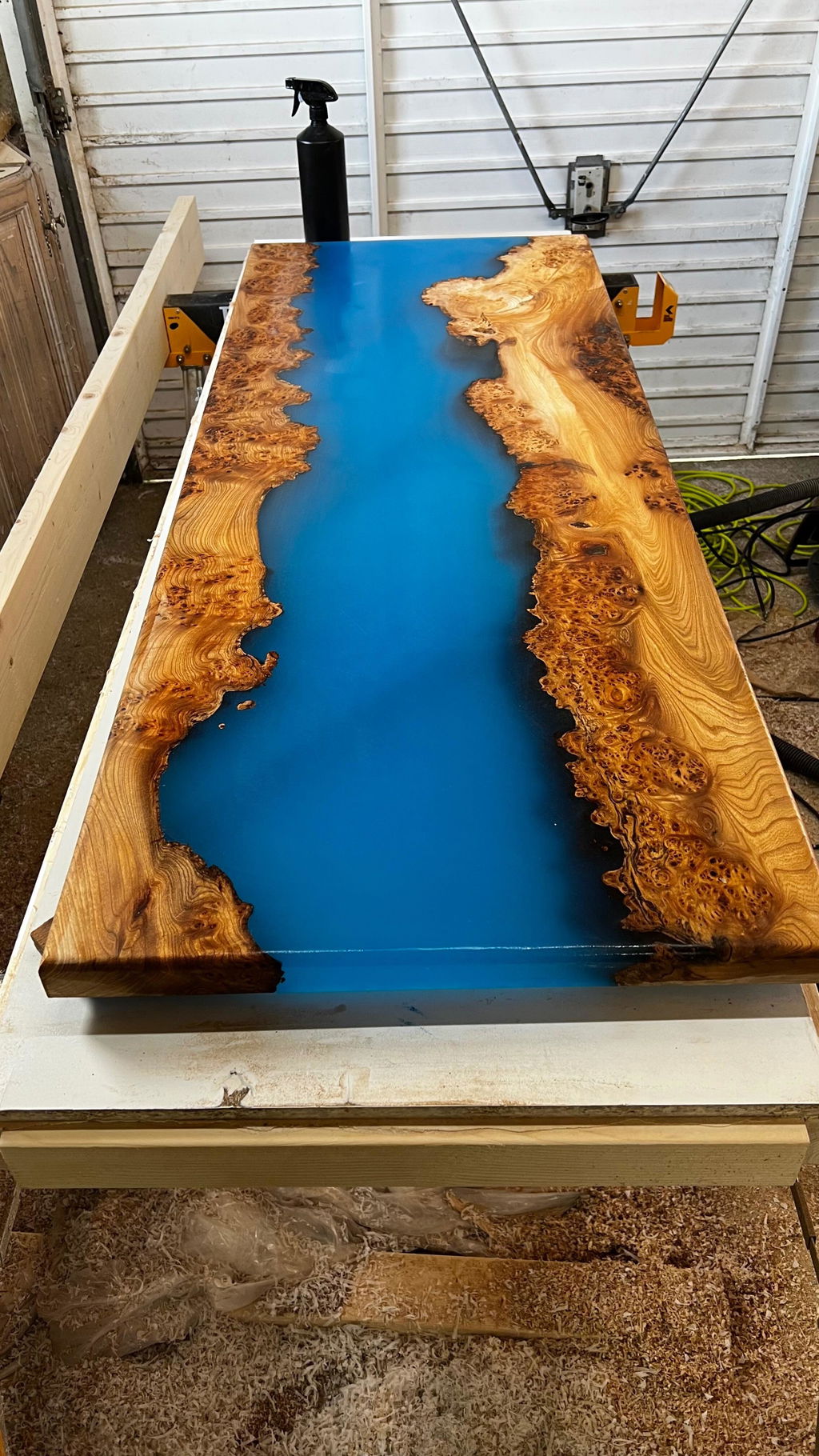

Precision Planing: How to Use Laser Pre-Set Z-Axis for Perfect Results
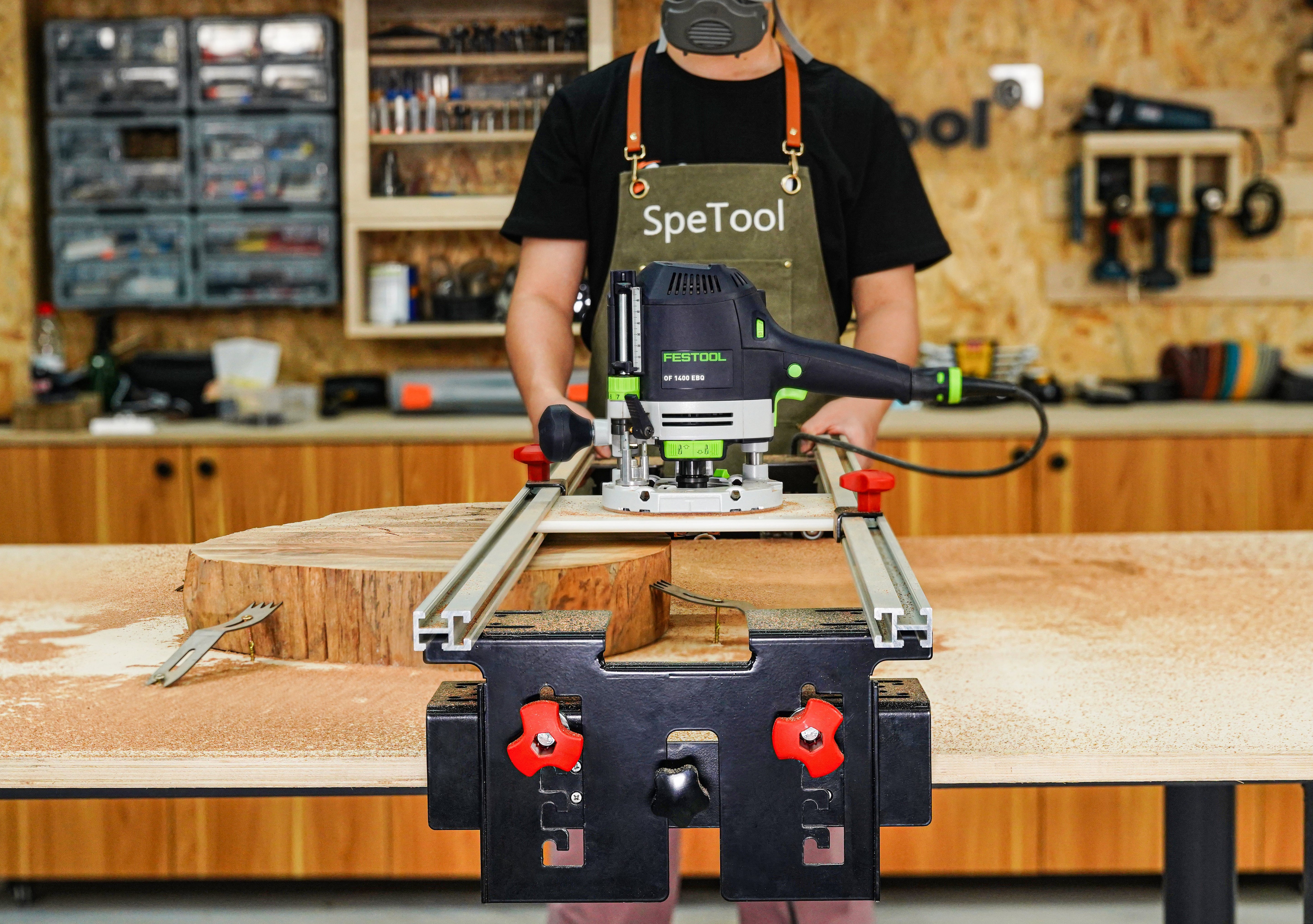
For technical woodworkers, flattening a massive live-edge slab is often the most stressful part of a build. The challenge isn't just moving the router; it's ensuring the router sled remains perfectly level across the entire surface. Even a millimeter of slip in the vertical adjustment can result in deep gouges that require hours of sanding to fix. In this guide, we dive deep into the technical advantages of laser pre-set Z-axis markers and how to optimize your router planer sled for flawless results.
Table of Contents
- The Mechanics of Z-Axis Precision
- Why Laser Pre-Set Markers Matter
- Step-by-Step Z-Axis Adjustment Tips
- Ensuring Zero Slip During Heavy Cuts
- Frequently Asked Questions
The Mechanics of Z-Axis Precision
When using a router sled for planing, the Z-axis refers to the vertical height of your router bit relative to the wood slab. Traditional DIY sleds often rely on friction-based clamps or manual measurements that are prone to "racking"—where one side of the sled sits higher than the other. To achieve a professional finish, you need a system that offers both rigidity and repeatable height settings.
According to woodworking authorities like Fine Woodworking, the stability of the carriage is the foundation of any successful flattening operation. This is why high-grade materials, such as 6061 anodized aluminum, are preferred over plywood or steel, as they resist the warping and bending that occur under the weight of heavy-duty routers.
Why Laser Pre-Set Markers Matter
The SpeTool Cratos S01001 introduces a critical innovation: Laser pre-set positions for the Z-axis. Unlike etched lines that can wear off or printed scales that lack accuracy, laser-engraved markers provide a permanent, high-contrast reference point. This allows for precise height adjustment across the base bracket and lift bracket without the need for constant re-measuring with calipers.
This technical advantage solves the "creep" problem. As the router vibrates during operation, inferior locking mechanisms can slowly slip. The SpeTool system utilizes a "click and go" mechanism with 5 preset heights, ensuring that once you set your depth, it stays locked in place regardless of the lateral force applied.
Featured Product: SpeTool Cratos S01001 Router Sled
If you are looking for the ultimate solution in slab flattening, the SpeTool Cratos S01001 Router Sled is engineered for the perfectionist. Built from high-strength 6061 anodized aluminum alloy, the rails are designed to never bend or warp, providing a rock-solid foundation for your router sled.
- Laser Precision: Pre-set Z-axis positions make height adjustments effortless and slip-free.
- Height Versatility: The lift bracket features 5 preset heights—perfect for thin stock or thick slabs—no balancing required.
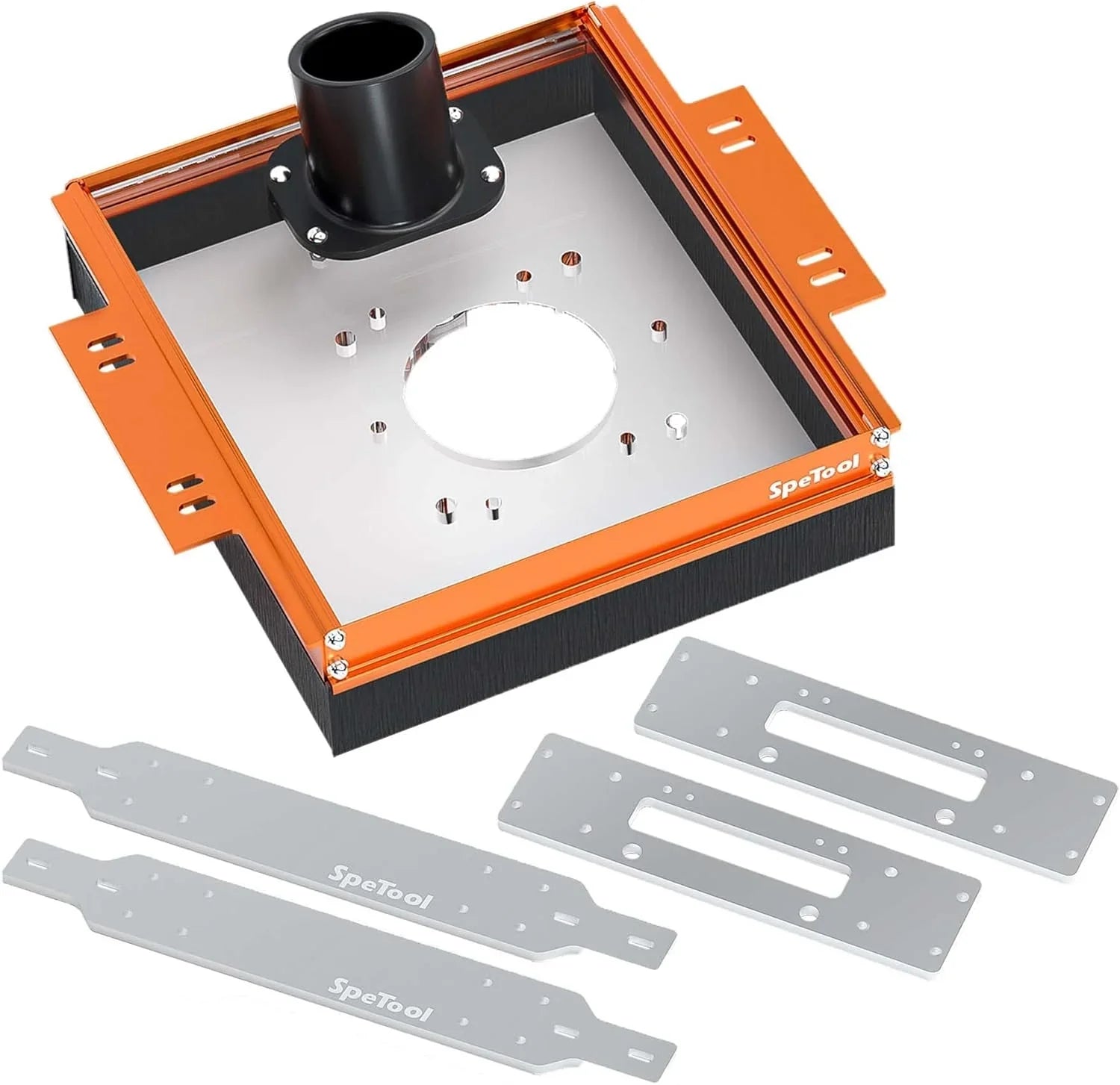
- Clean Workspace: Compatible with SpeTool dust collection systems to capture 90% of wood chips.
- Universal Fit: Includes two router plates (pre-drilled and blank) and an easy slide-in breach for hassle-free installation.
Check out the Cratos S01001 here to elevate your shop's capabilities.
Step-by-Step Z-Axis Adjustment Tips
To get the most out of your router planer sled, follow these technical adjustment tips:
- Identify the Lowest Point: Before you start, sweep the router across the slab to find the lowest spot. Set your Z-axis relative to this point to avoid taking too deep of a cut initially.
- Utilize the Preset Heights: Use the 5-step lift bracket system for repeatable passes. If you need to remove 1/2 inch of material, do it in two 1/4 inch increments using the presets to maintain consistency.
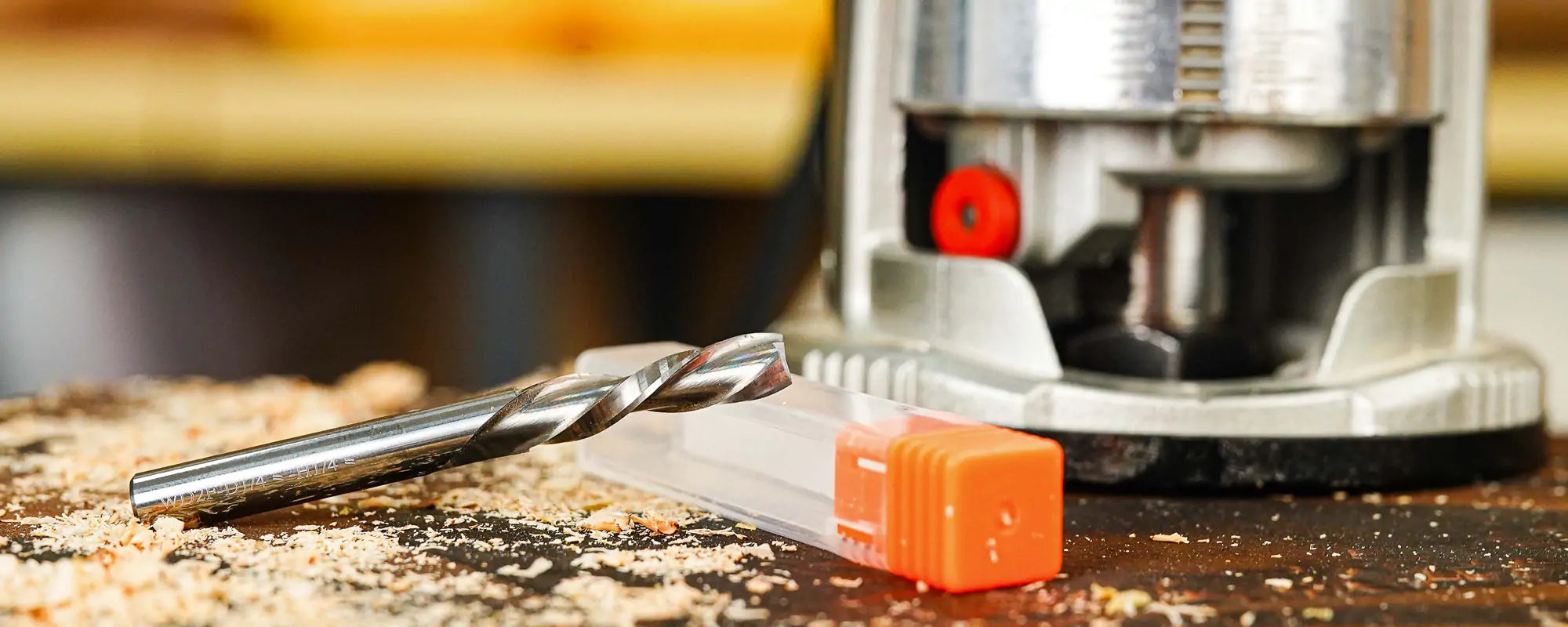
- Check Your Overhang: If your router bit is too short for the sled height, do not over-extend it from the collet. Instead, use a Router Collet Chuck Extension. Follow the mathematical formula provided by SpeTool to ensure the correct overhang for safety.
- Lock the Slide-In Breach: Ensure the router is fully seated in the bracket breach. The SpeTool design allows for an easy slide-in, but double-checking the security of the clamping tools is vital for Z-axis stability.
Ensuring Zero Slip During Heavy Cuts
Lateral stability is just as important as vertical precision. When operating a router sled for planing, the side-to-side motion creates vibration. Technical woodworkers often refer to Router Mechanics to understand how torque affects the sled. By using 6061 aluminum rails, the SpeTool Cratos minimizes these vibrations. Furthermore, integrating the dust collection system not only keeps the air clean but prevents wood chips from getting under the rails, which would otherwise cause the Z-axis height to fluctuate during the pass.