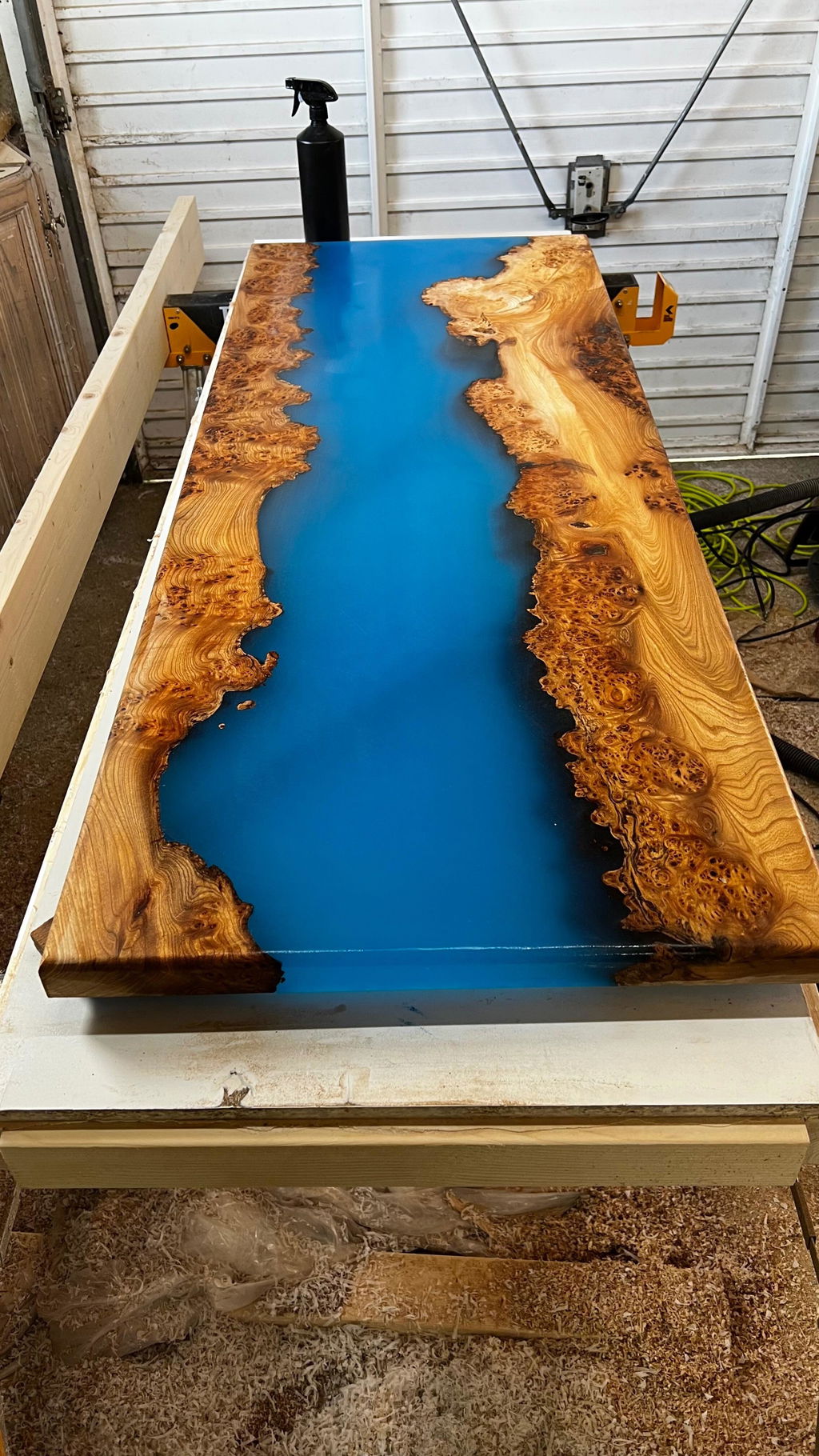
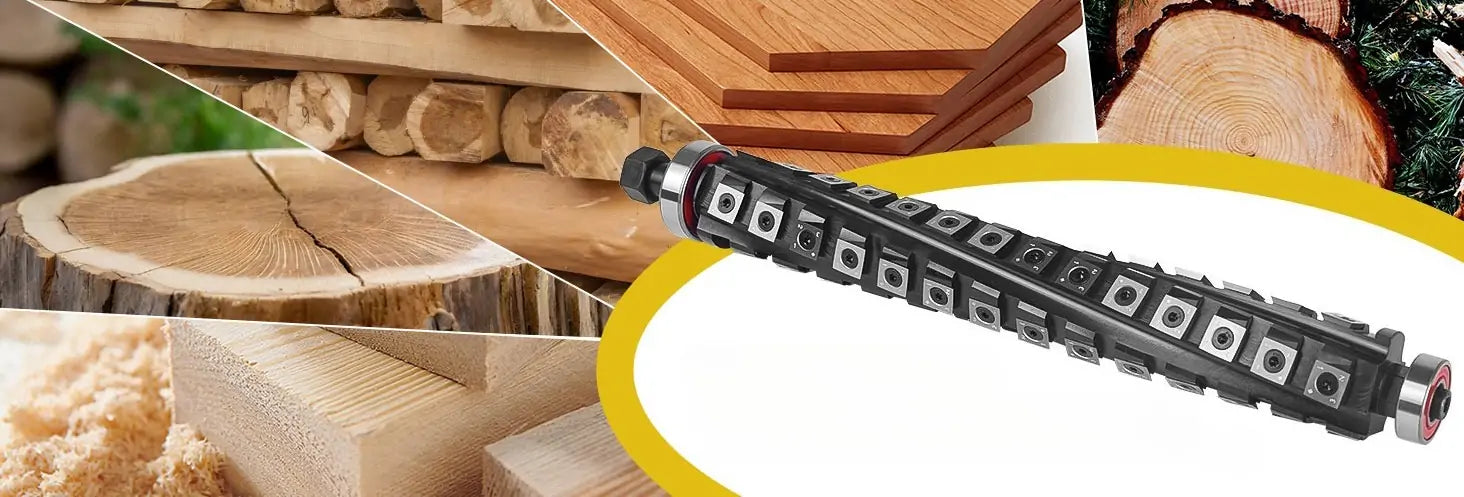
🔍 The main consideration is that the cutting length of the bit should be at least as tall as the material you need to trim, but not excessively longer if you can help it (longer bits can flex more). For example, if you’re trimming the edge of a 3/4\" plywood panel with a template on top, a bit with 1\" cutting length will do. If you’re flush-trimming a 2\" thick butcher block, you’d need a longer bit (like a 2\" cutting length) or trim from both sides. SpeTool offers flush trim bits in various lengths, even extra-long 3\" or 4\" overall for deep tasks:contentReference[oaicite:53]{index=53}. But generally, choose a bit just slightly longer than your material thickness for the best control. Also consider your router’s stability – trimming a 3\" thick slab in one go with a long bit might require taking it in two passes from each side anyway. In summary, match the bit’s cutting length to your work thickness (equal or a bit more), and use extension lengths only when necessary for thick stock.
Related product: → View product page