
Essential Precision Woodworking Tools for Flawless Cabinet Making
For any small business woodworker or serious hobbyist, the difference between a high-end custom cabinet and a DIY-looking project lies in the details. In the world of professional cabinetry, there is no room for 'close enough.' A fraction of a degree off on a panel cut can result in drawer slides that bind, doors that won't hang straight, and gaps that ruin your finish.
To achieve professional results, you need a curated kit of precision woodworking tools for cabinet making. This guide explores the must-have instruments that ensure every joint is tight and every corner is perfectly square.
Table of Contents
- The Foundation of Cabinet Precision
- The Game Changer: Track Saw Square Guide
- Precision Measurement and Layout
- Specialized Joinery Tools
- Frequently Asked Questions
The Foundation of Cabinet Precision
Cabinet making is essentially the art of building perfect boxes. If your initial sheet goods aren't broken down into perfectly rectangular panels, every subsequent step becomes a struggle. While the table saw was once the king of the shop, many modern pros are turning to track saws for their portability and ability to handle large sheets of plywood without a massive outfeed table.
The Game Changer: Track Saw Square Guide
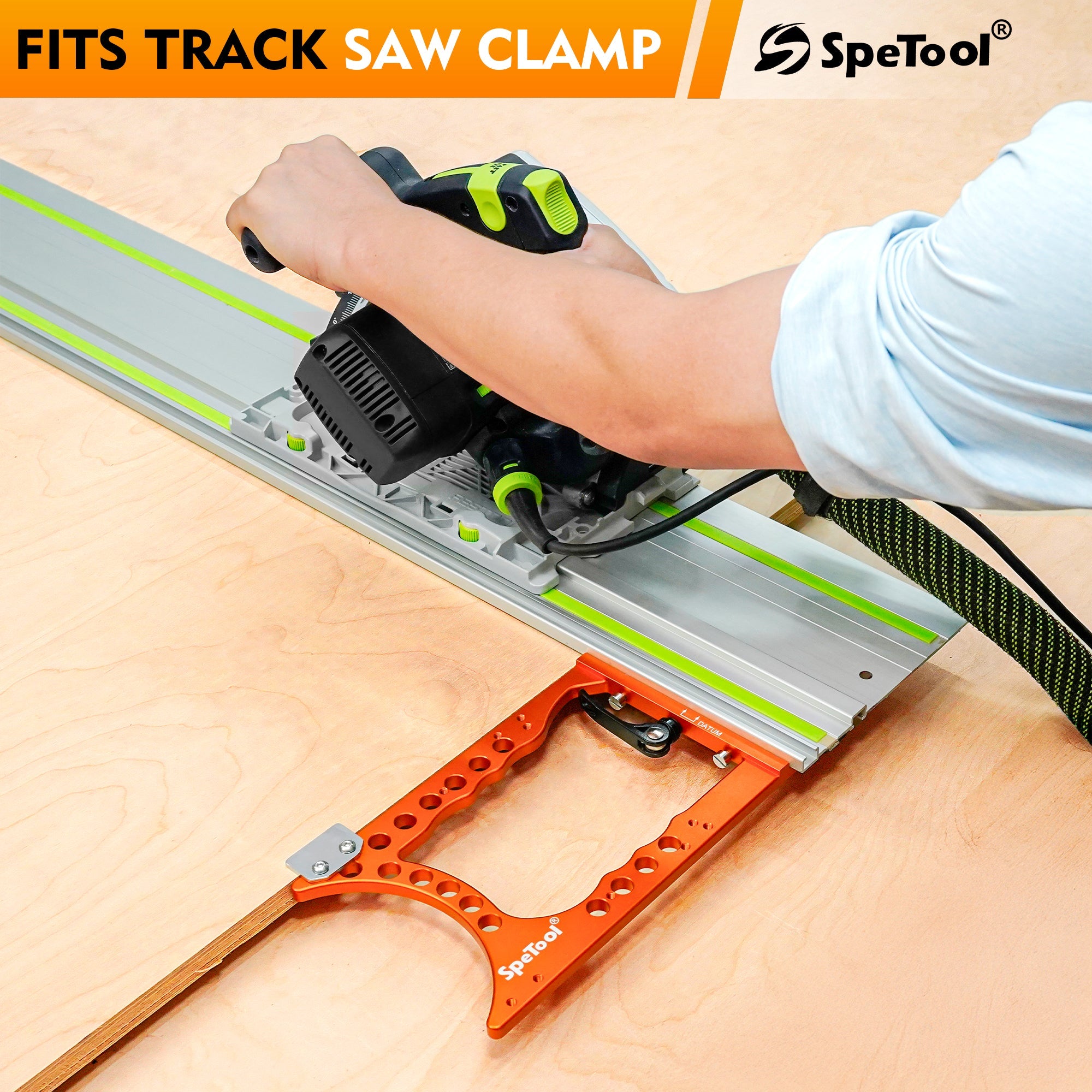
Even the best track saw is only as accurate as the rail placement. This is where a high-quality track saw square becomes indispensable. Manually marking and measuring 90-degree angles on every cut is slow and prone to human error.
The SpeTool 90-Degree Precision Track Saw Square is a standout in this category. For those looking for a comprehensive spetool track saw square review, the data speaks for itself: it offers an ultra-precision accuracy of ±0.01°. This level of precision is vital for tall pantry cabinets or long kitchen islands where a tiny error at the base translates to a major misalignment at the top.
Why the SpeTool Track Saw Square Guide?
- Quick & Effortless Operation: Features a smooth, one-handed quick-lock mechanism. This allows for instant setup, drastically improving your workflow efficiency during busy builds.
- Superior Stability: Unlike smaller, flimsy alternatives, this track saw square guide is engineered with an extra-large and thicker design. This provides enhanced rigidity and reduces vibration during the cut.
- Scratch-Free Design: The clamping system is designed to protect your investment. It grips the rail securely without leaving marks or dents.
- Universal Compatibility: It works seamlessly with major brands including Festool, Makita, Milwaukee, Powertec, and Wen guide rails.
Note: Woodworkers should be aware that the minimum workpiece thickness for this specific tool is 9mm.
Precision Measurement and Layout
Beyond the cut, your layout tools must match the quality of your machinery. A standard construction tape measure is rarely sufficient for fine cabinetry. Instead, professional shops rely on:
- Steel Rules: For setting heights and small layouts.
- Digital Calipers: Essential for verifying material thickness, especially when dealing with undersized plywood.
- Marking Gauges: For repeatable joinery layouts that pencils simply can't match.
Explore more layout solutions at SpeTool's official site to complement your precision cutting setup.
Specialized Joinery Tools
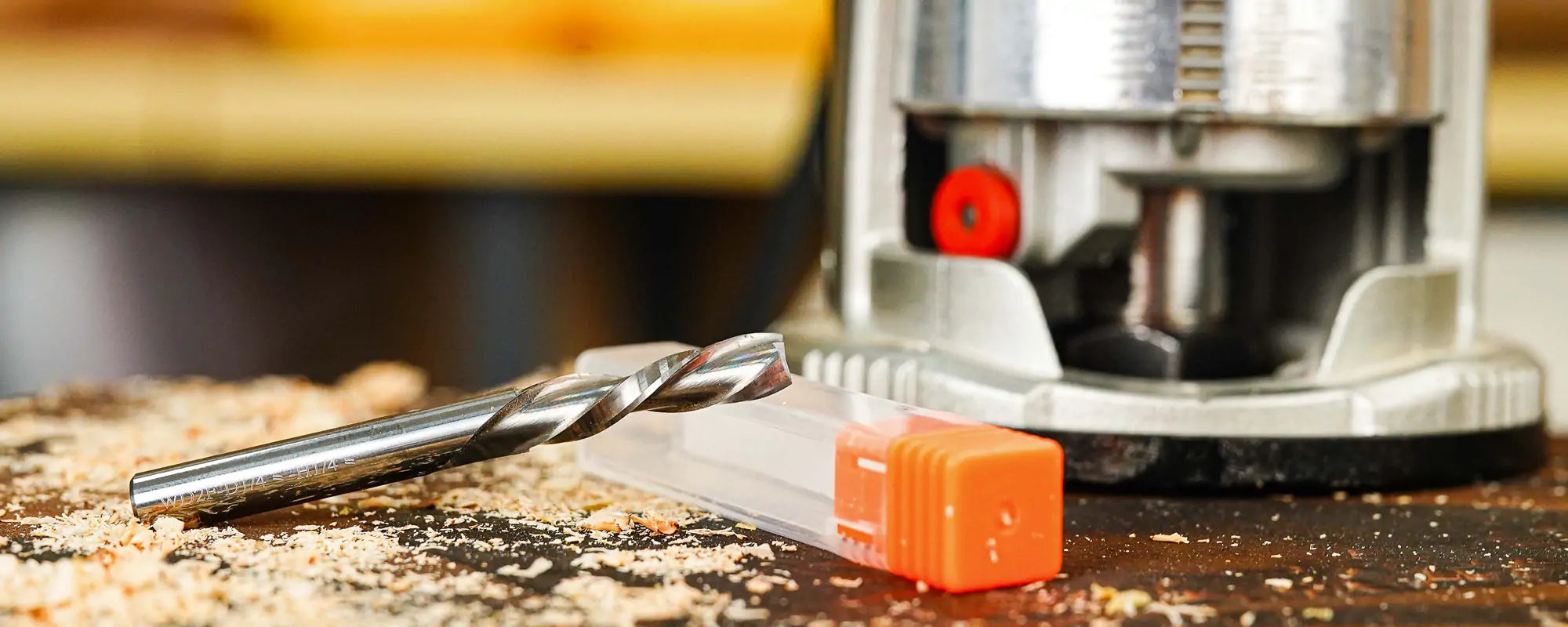
Once your panels are square, the assembly requires its own set of precision tools. For cabinet boxes, pocket hole jigs or doweling masters are common, but for face frames and doors, you need high-quality router bits. Using a precision-ground router bit ensures that your rails and stiles fit together with zero light showing through the joint.
The Importance of the Squaring Step
Many woodworkers skip the verification step. After using your track saw square, always perform a 'diagonal check' on your assembled boxes. If the diagonal measurements are identical, your precision tools have done their job.