Introduction:
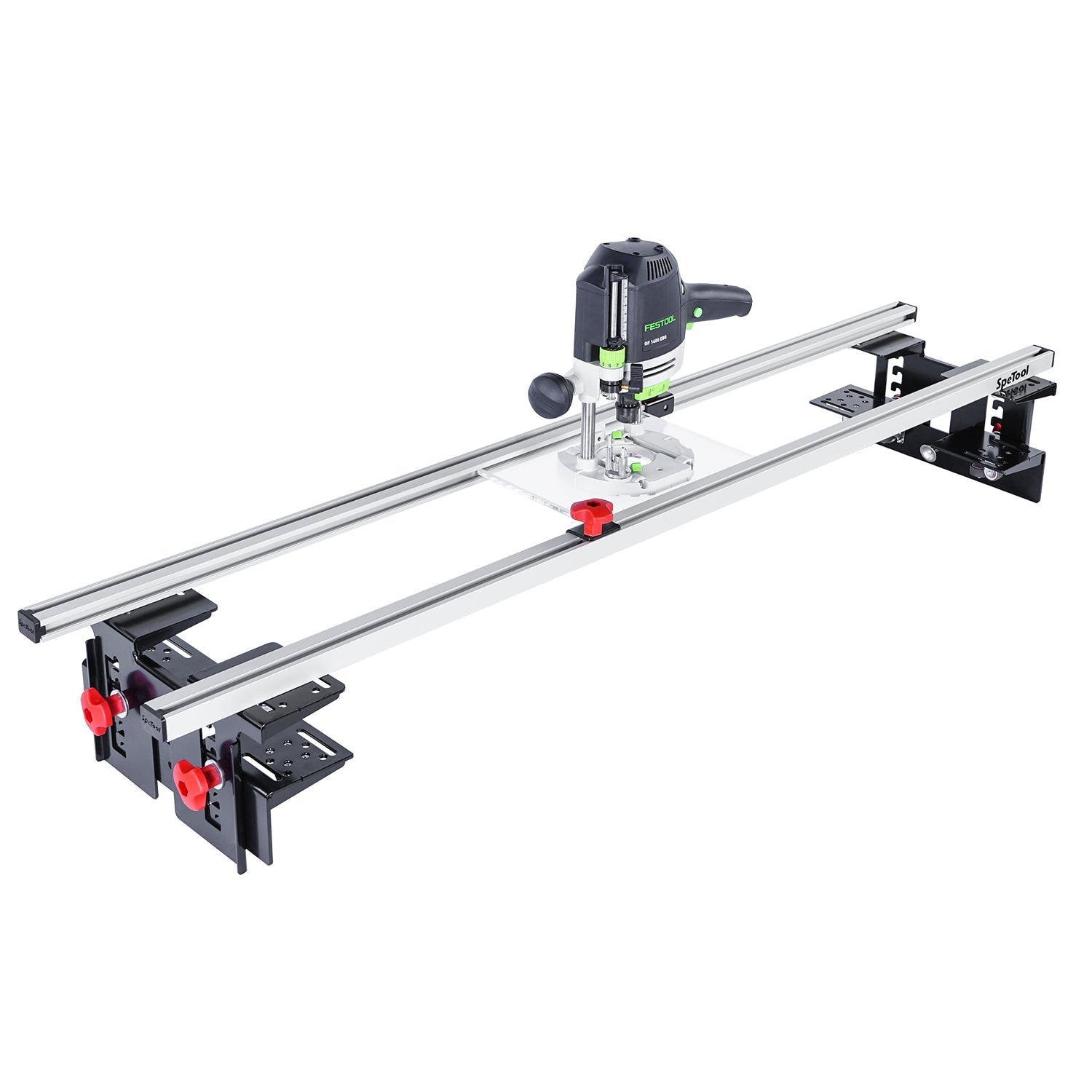
You just spent hundreds of dollars on a gorgeous live edge slab or poured gallons of expensive epoxy resin. You’ve built or bought your router sled jig, but standing in front of the machine, you hesitate. The fear of ruining that premium material with massive tear-out or deep router ridges is real. As a master furniture maker and tooling expert, I can tell you that the best way to level large slabs without a $10,000 CNC machine is right in front of you. By following this beginner-friendly, time-saving, step-by-step SOP, you will achieve a flawless finish. Let’s dive into the 5 steps to master wood surfacing.
Why a Standardized Flattening Process Matters
- Eliminates the risk of destroying expensive slabs and epoxy
- Guarantees a completely level surface for professional joinery
- Reduces hours of exhausting post-flattening sanding
- Extends the life of your router and cutting tools
Step 1: The Foundation - Securing & Shimming the Slab
Many tutorials skip this, but it’s the absolute foundation of success. Benefits: If your slab rocks even 1 millimeter during cutting, your surface will have a 1-millimeter deep trench. Action: Before turning on the router, push wooden shims underneath any twisted corners or gaps to eliminate rocking. Then, secure the entire perimeter using hot melt glue or heavy-duty double-sided tape. Do not rely on gravity alone.
Step 2: Tooling Up - Choose the Right Bit & Set Depth
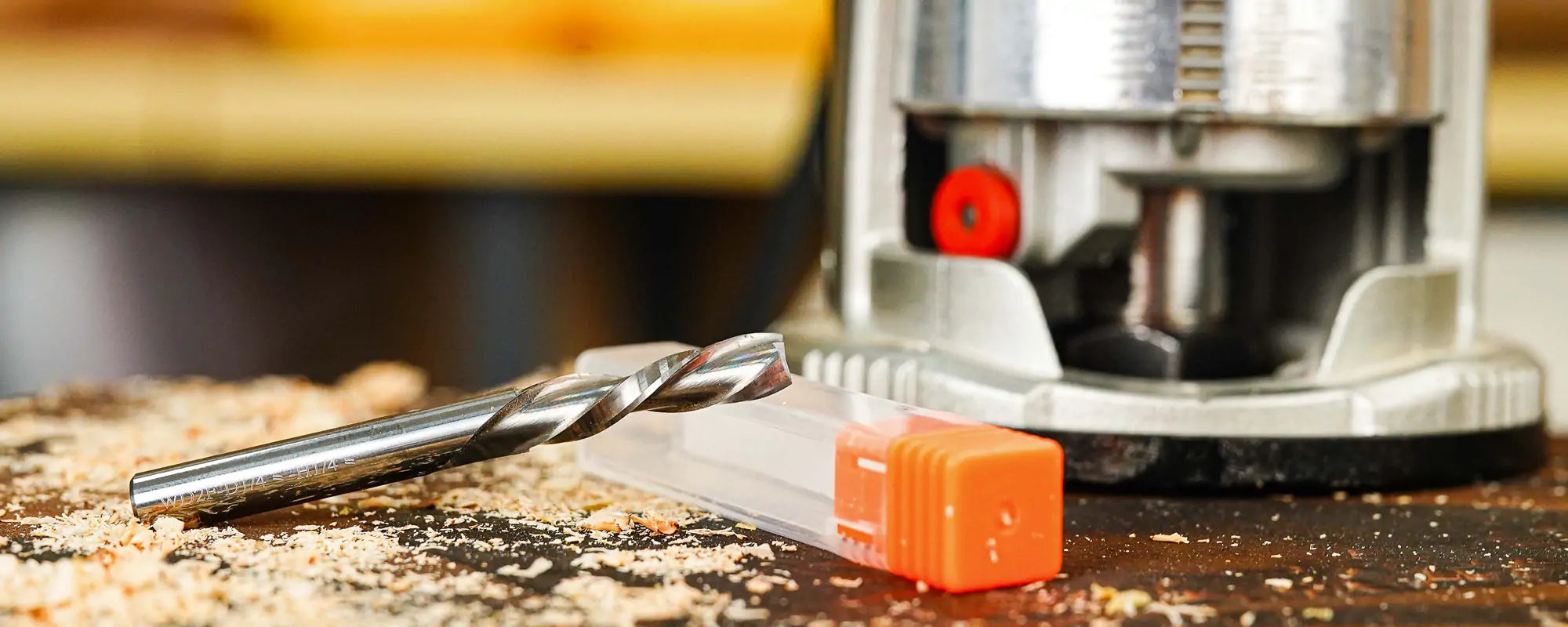
Cheap High-Speed Steel (HSS) bits cannot handle the brutal heat and friction of slab flattening. Benefits: Using an Insert Spoilboard Router Bit with indexable carbide inserts offers superior heat dissipation, perfect chip clearing, and a constant cutting diameter. Action: Lock in your high-quality bit and set your initial Depth of Cut conservatively—between 1/16" and 1/8" (1.5mm - 3mm) maximum per pass.
Step 3: The Path - Mastering the "Step-Over"
The secret to the router sled step-over technique is overlapping your passes to eliminate stepped ridges. Benefits: Reduces machine vibration, keeps the spindle cool, and prevents catastrophic tear-out on interlocking grain. Action: Never push the bit to cut its full width. Only step over 30% to 50% of the bit’s diameter on each forward pass.
Step 4: The Execution - Speed, Feed, and Rhythm
Your feed rate (how fast you push) and RPM (how fast the bit spins) must work together harmoniously. Benefits: Pushing too fast splinters the wood; pushing too slow creates burn marks. Action: Using a router sled on epoxy requires special attention. You must lower your router’s RPM (around 10,000 - 12,000). If it spins too fast, the friction will literally melt the epoxy, clogging your bit instantly and ruining the pour.
Step 5: The "Spring Pass" - Achieving a Glass-Like Finish
This is the advanced technique that separates professionals from amateurs. Benefits: Removes microscopic tooling marks, saving you hours of low-grit sanding. Action: Once the slab is entirely flat, adjust your router depth down by a microscopic 1/64 of an inch. Do one final, continuous "spring pass" over the whole slab with a slightly faster feed rate.
Comparing Core Parameters for Slab Flattening
| Material | Max Depth of Cut | Step-Over (Overlap) | Ideal RPM Range |
| Hardwoods (Walnut, Oak) | 1/8" | 30% - 40% | 14,000 - 16,000 |
| Softwoods (Pine, Cedar) | 1/8" to 3/16" | 40% - 50% | 16,000 - 18,000 |
| Epoxy Resin | 1/16" | 30% - 40% | 10,000 - 12,000 (To avoid melting) |
Conclusion
Learning how to flatten a live edge slab with a router is all about controlling the variables. By securing your workpiece with shims, managing your step-over percentage, adjusting feed rates for different materials, and taking that final spring pass, you transform a nerve-wracking process into a predictable, highly rewarding one. Invest in the right tooling, trust the mechanics, and your craftsmanship will easily rival industrial machines.
Related Blog Topics:
-
Advanced Slab Flattening Techniques for DIY Woodworkers