From 1/4 to 3-3/8 Inches: Master Any Slab Thickness with Adjustable Router Sleds
Woodworking commissions are rarely uniform. One day you are flattening a 3-inch thick white oak fireplace mantel, and the next, you are surfacing a delicate 1/2-inch cherry charcuterie board. To handle this diversity, a woodworker needs equipment that adapts. The most critical factor in this versatility is the router sled height adjustment range.
Table of Contents
- Why Height Adjustment Range Matters
- Handling Thin Projects (1/4" - 1")
- Mastering Heavy Slabs (1" - 3-3/8")
- Precision Milling with the Spetool Router Sled
- Beyond Height: Stability and Dust Management
Why Height Adjustment Range Matters
In the world of wood routers, the ability to control depth is paramount. Traditional fixed-height jigs often force woodworkers to use precarious shims or "riser blocks" to reach different thicknesses. A professional-grade spetool router sled eliminates this guesswork by offering an integrated height adjustment range from 1/4 to 3-3/8 inches.
Handling Thin Projects (1/4" - 1")
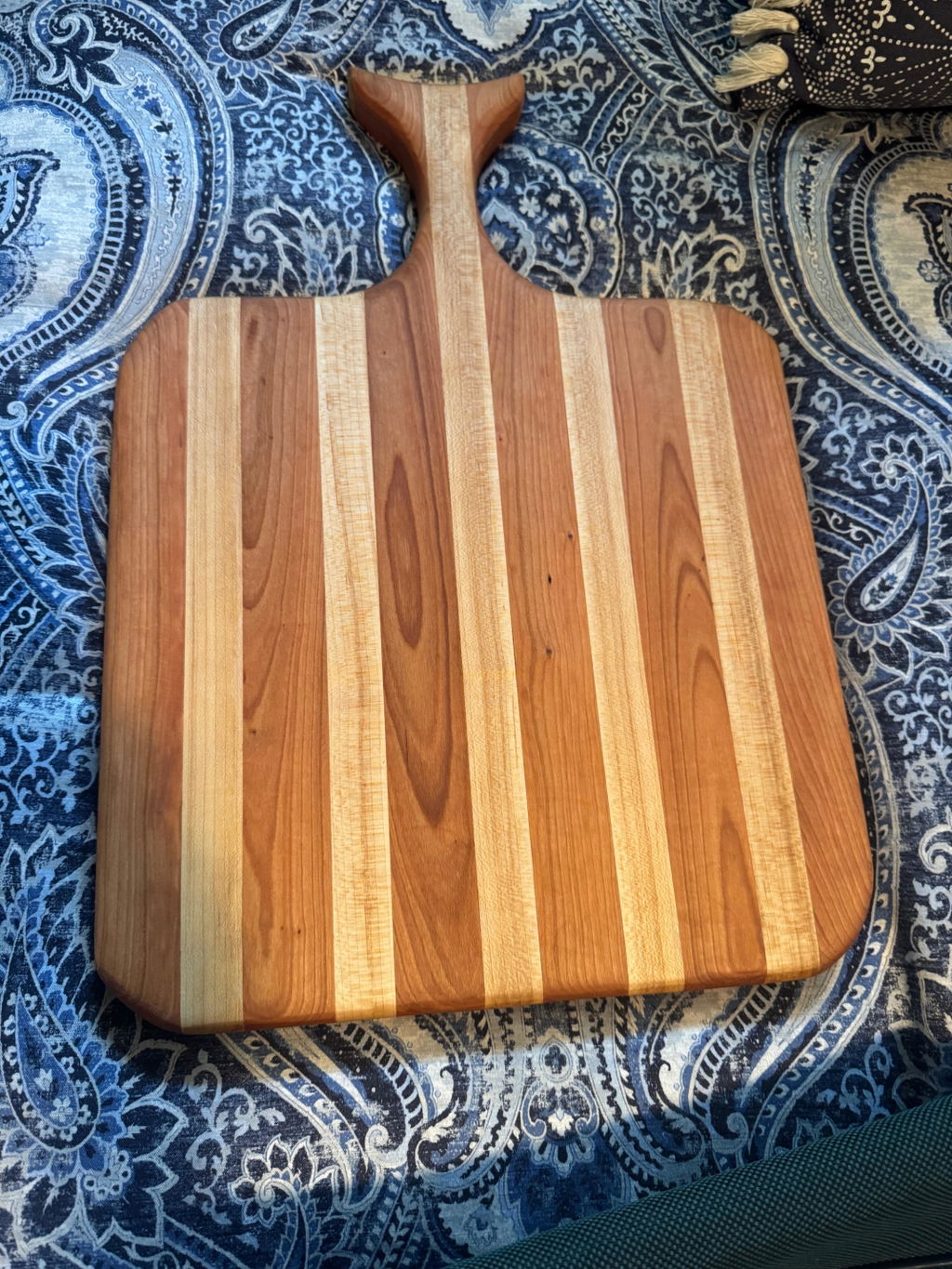
For items like custom signs, serving trays, or thin drawer fronts, you need the router bit to sit very close to the workbench surface. A sled that can descend to 1/4 inch ensures that even the thinnest materials are flattened with high precision. Without this low-end range, woodworkers often struggle with bit reach, leading to excessive vibration and poor surface finish.
Mastering Heavy Slabs (1" - 3-3/8")
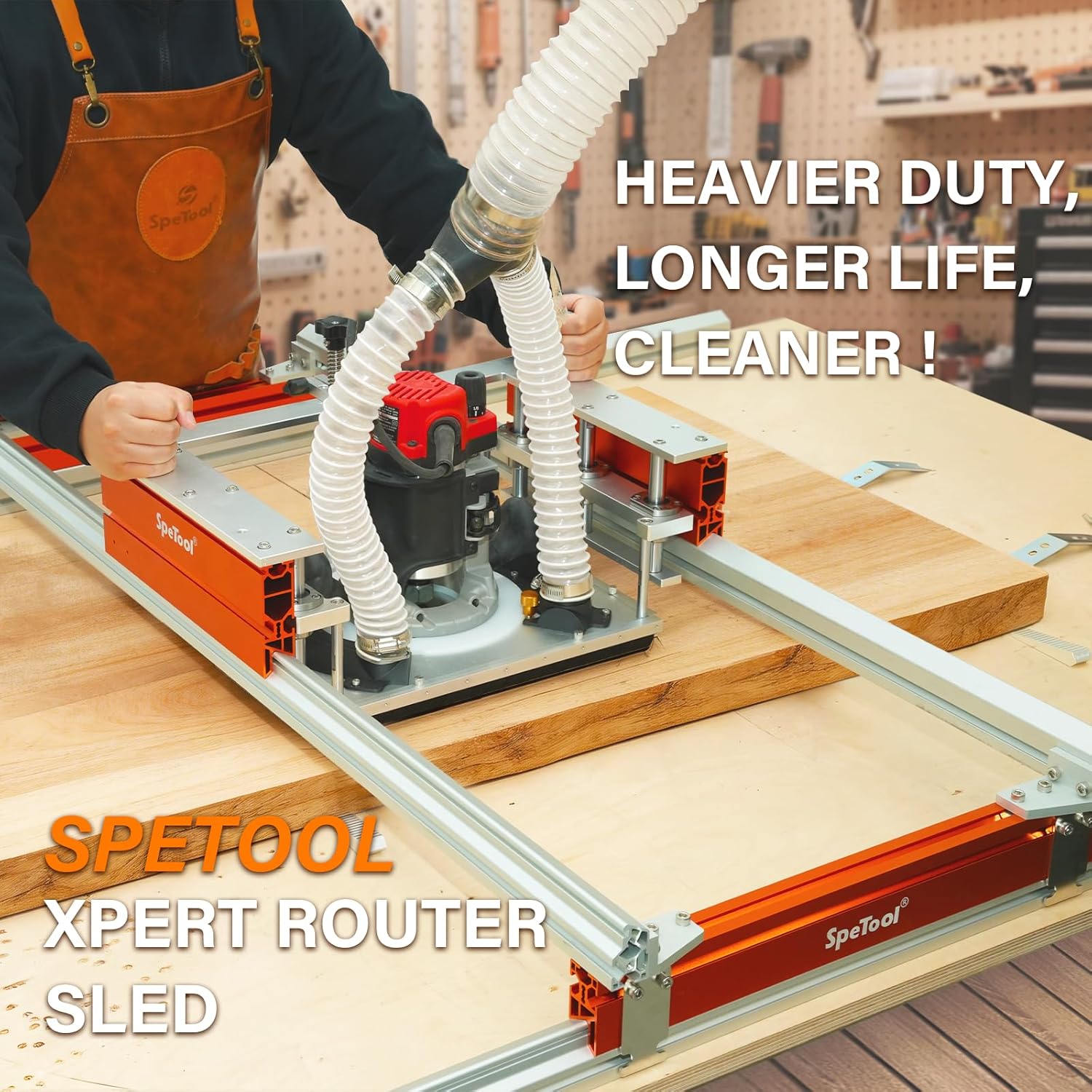
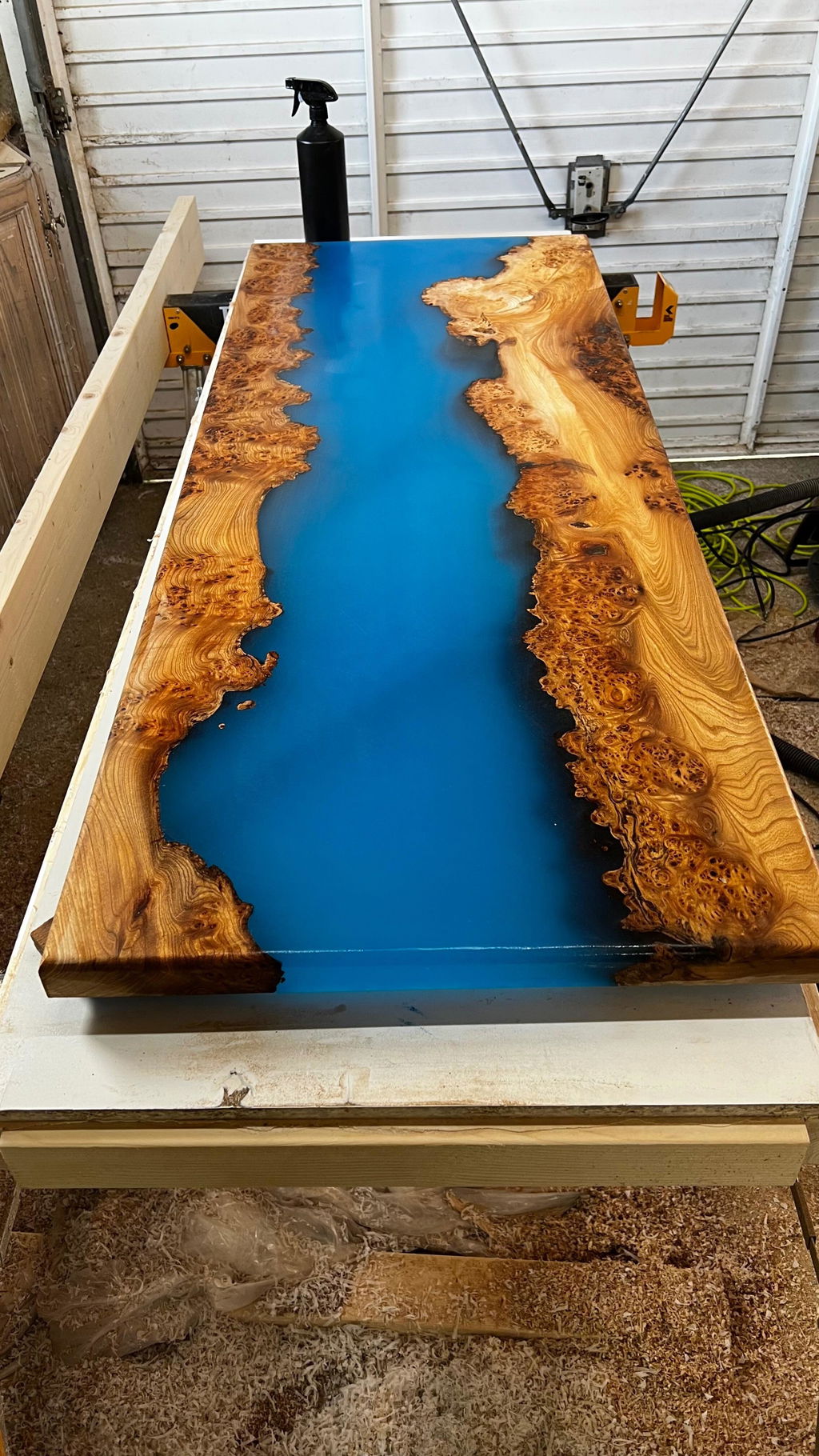
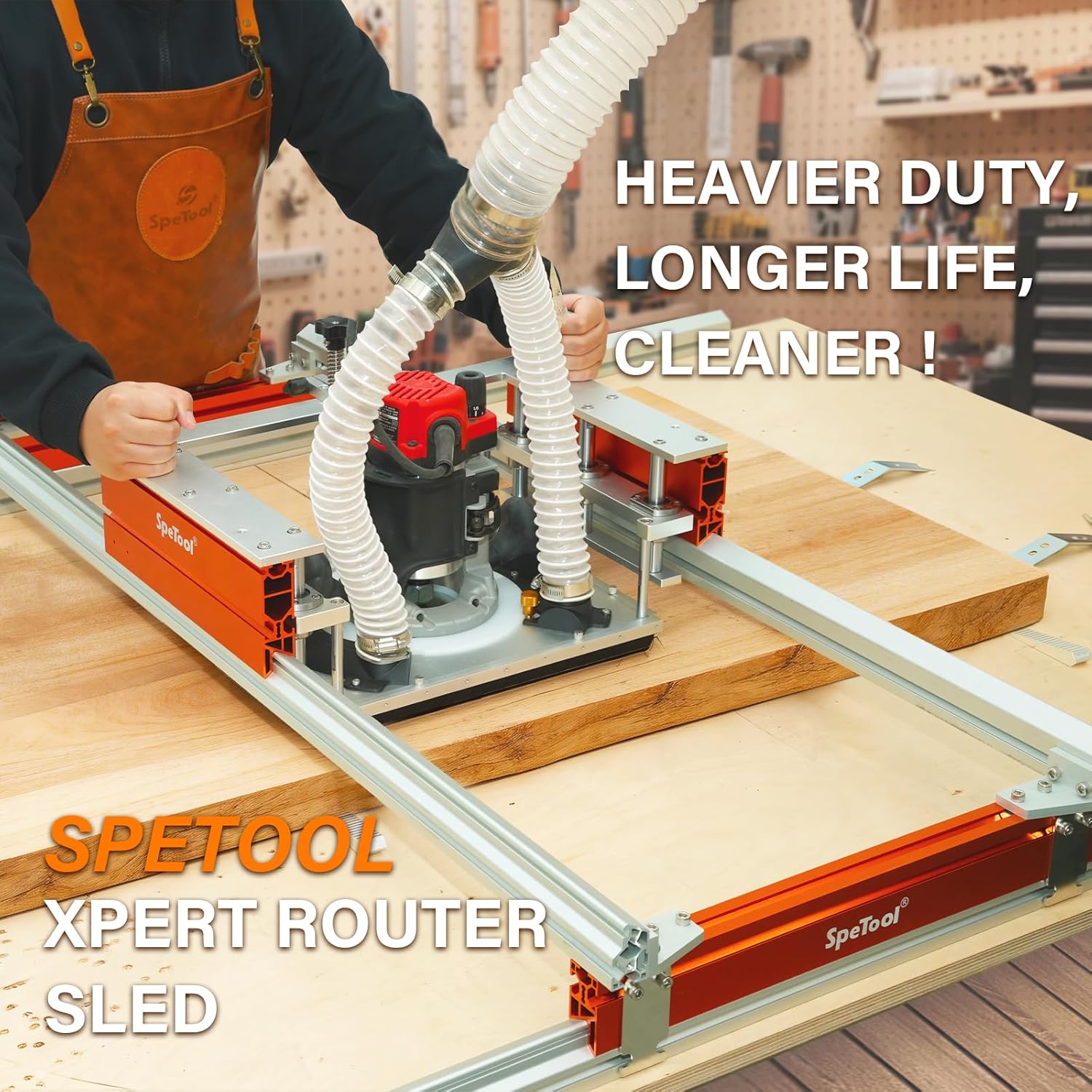
When dealing with live-edge slabs intended for dining tables or mantels, the material is often irregular and thick. The SpeTool Xpert Pro Router Sled provides a massive 3-3/8 inch clearance. This allows you to tackle large-scale projects without needing to modify your setup. Constructed from heavy-duty aluminum alloy rails, it maintains its rigidity even when extended to its maximum height capacity of 38 x 38.2 inches.
Precision Milling with the Spetool Router Sled
Range is nothing without precision. The spetool router sled features an integrated custom bearing housing with angular contact ball bearings. This mechanical advantage allows for a depth change of exactly 5/32 inch per full rotation. This level of granularity is essential when milling expensive live edge slabs where taking off too much material can be a costly mistake.
Beyond Height: Stability and Dust Management
Flattening large surfaces creates a massive amount of debris. The SpeTool system integrates dual dust ports with a full-surround brush and silicone curtain to capture chips. Furthermore, the X and Y axis rails are equipped with UHMW glide pads. These pads ensure smooth movement across dining tables and workbenches, preventing the "stutter" that often causes gouges in the wood surface.
The pre-drilled base plate is designed for maximum compatibility, fitting industry favorites such as the DeWalt 616/618, Bosch 1617/1618, and Festool OF 1400 EBQ. For more professional tips on slab flattening, visit Popular Woodworking.