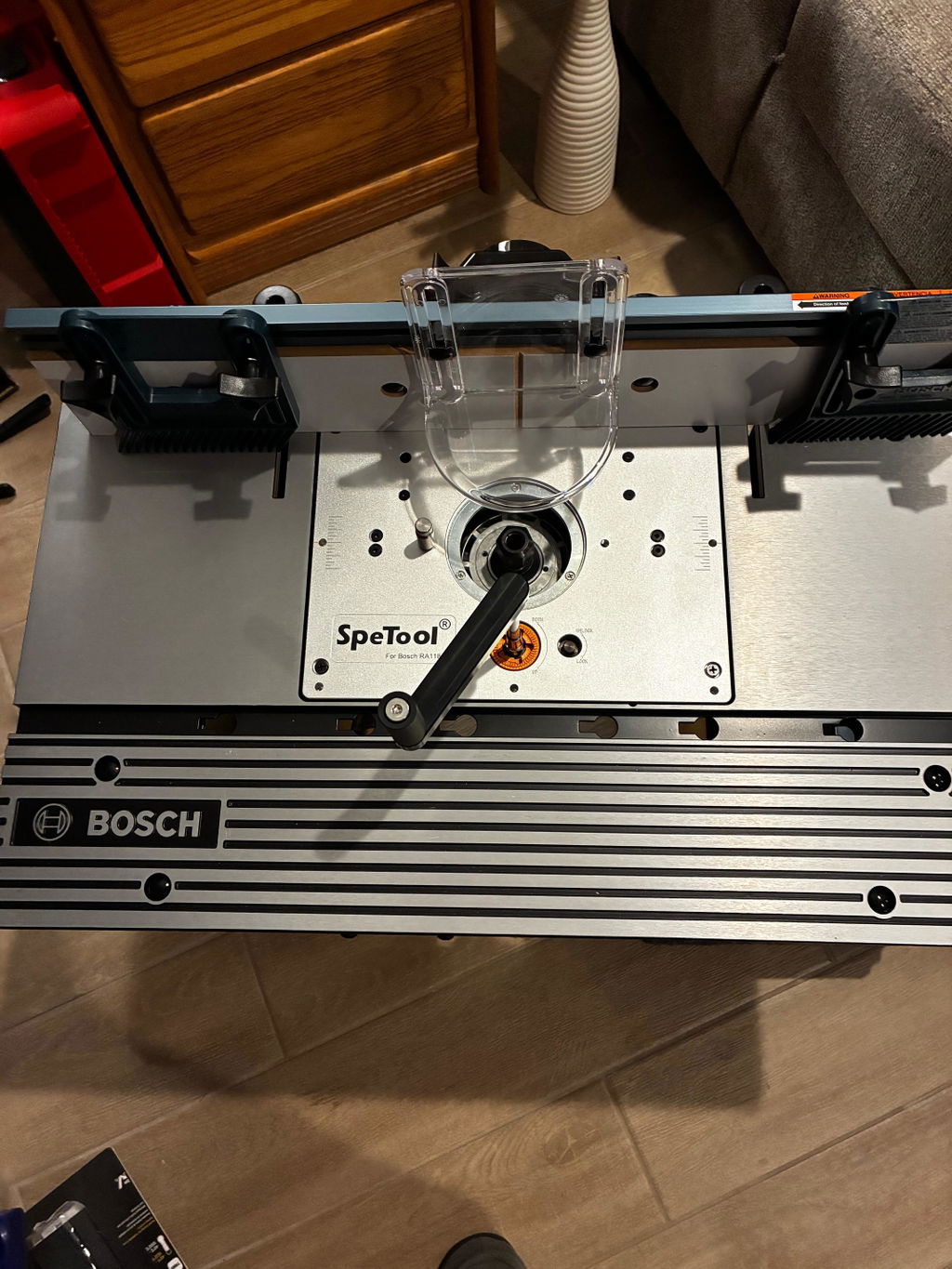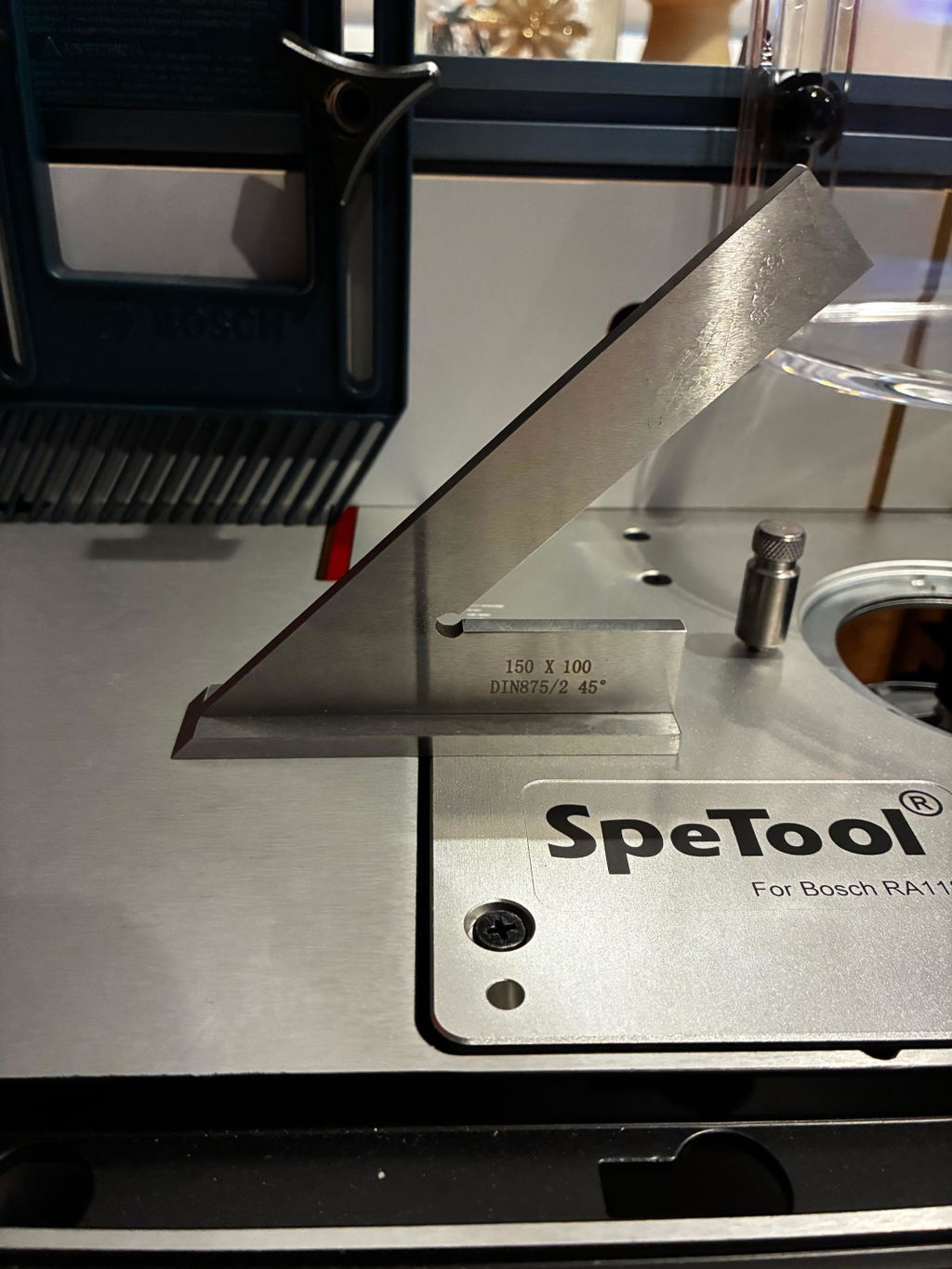
A workbench is the heart of any woodworking shop. However, even the most robust benches suffer from seasonal movement, humidity, and years of heavy use. When your once-perfect surface begins to sag or cup, flattening uneven workbenches becomes a top priority to maintain the accuracy of your joinery.
The Challenge of Manual Flattening
Traditionally, woodworkers would spend hours with a hand plane to restore a flat surface. While rewarding, it is physically demanding and prone to human error. This is where modern precision tools like the spetool router sled change the game, turning a day-long chore into a precise, manageable task.
Why Use a Router Sled for Bench Maintenance?
Router sleds are often associated with milling live-edge slabs, but their application in shop maintenance is invaluable. By providing a stable, level plane across the X and Y axes, they allow you to remove uniform layers of material across the entire benchtop, ensuring the surface is perfectly co-planar with your floor or bench legs.
Step-by-Step Guide to Resurfacing Your Workbench
1. Preparation and Assessment
Before you begin, clear your bench and use a high-quality straight edge to identify the low spots. In many cases, workbenches develop a 'valley' in the center due to clamping pressure and moisture. Ensure all metal fasteners, dogs, or screws are recessed well below the surface to avoid damaging your router bits.
2. Setting Up the SpeTool Xpert Pro
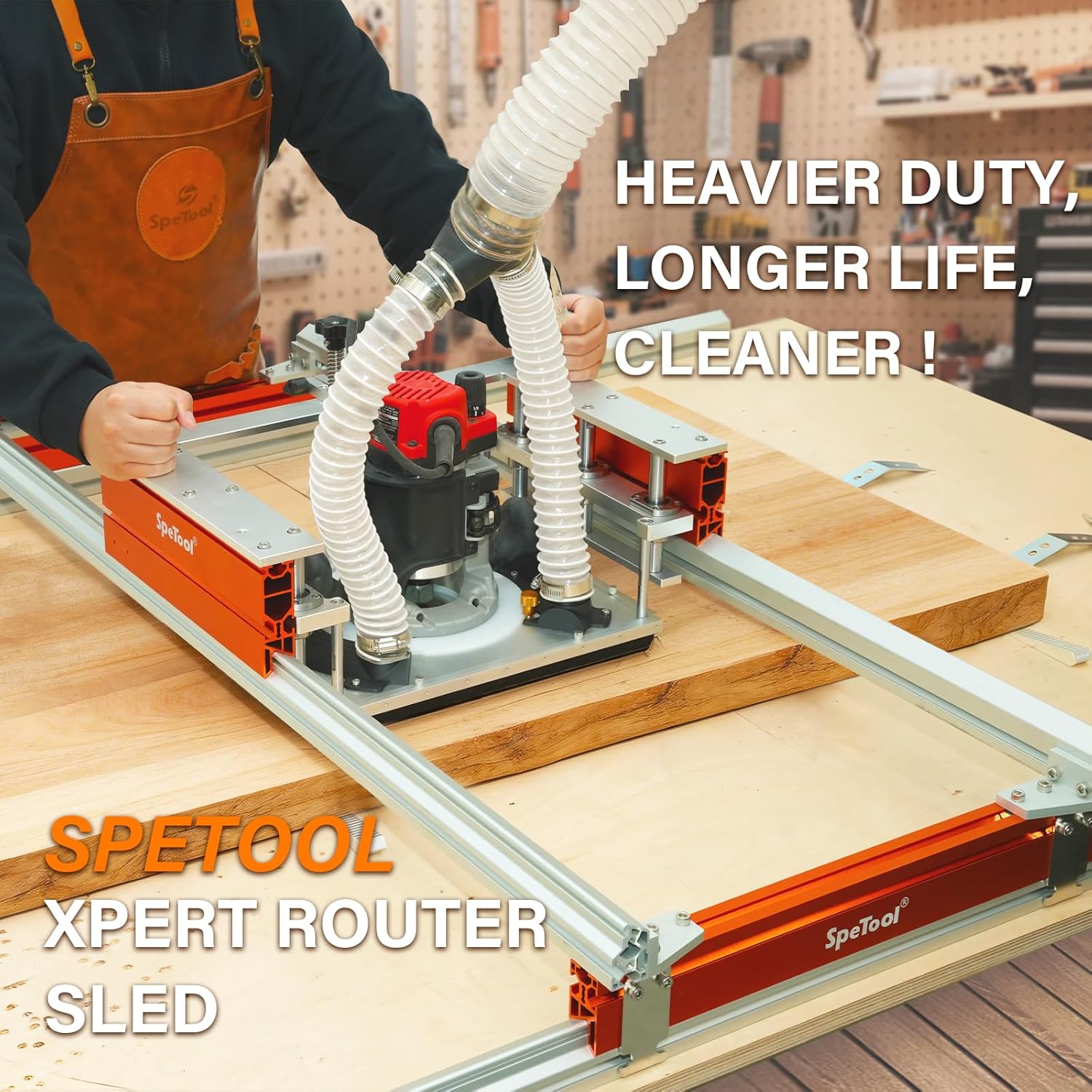
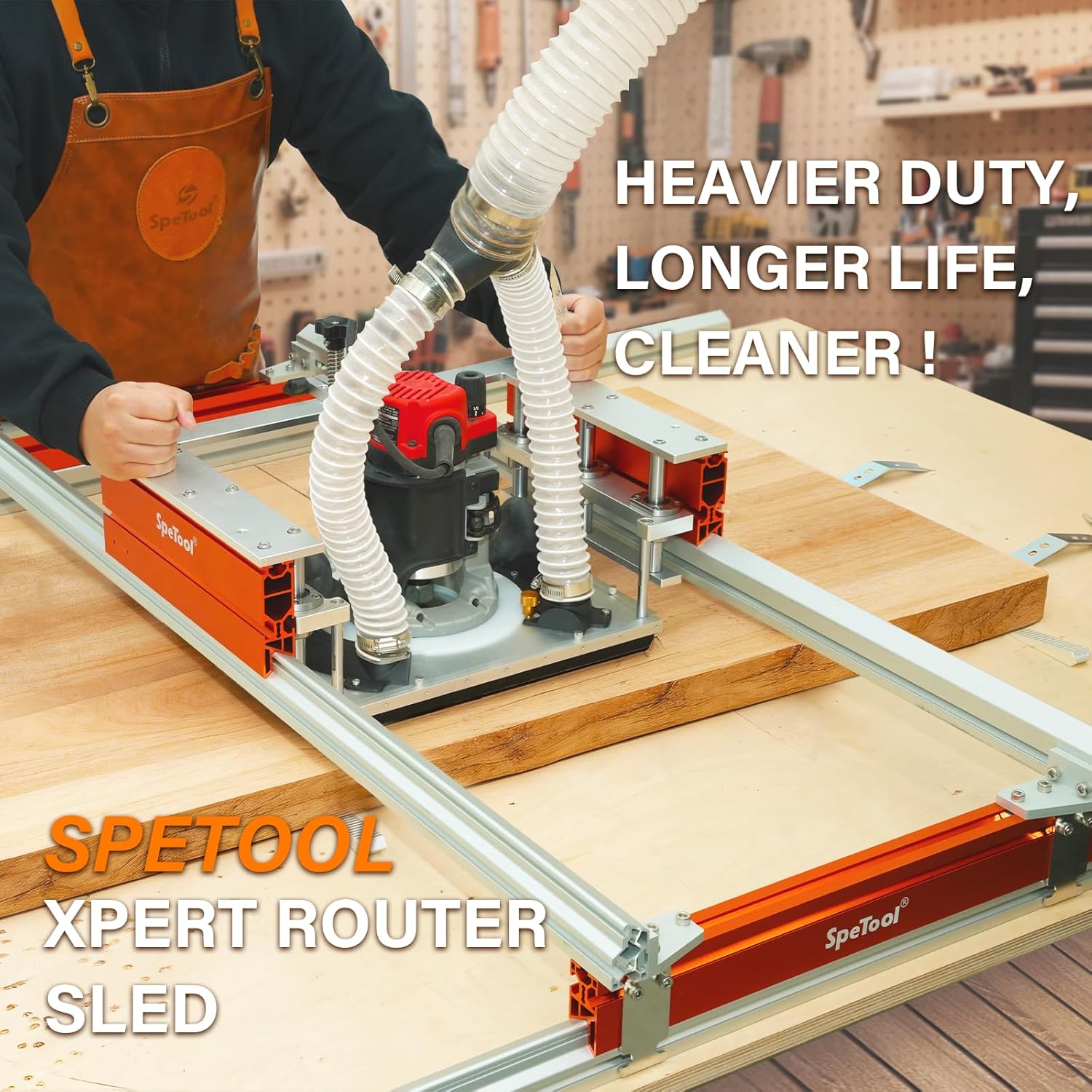
The SpeTool Xpert Pro Router Sled is designed for stability and ease of use. Its aluminum alloy rails and carriage provide a maximum work capacity of 38 x 38.2 inches, which covers the width of most professional benches. For longer benches, you can easily shift the rails along the length of the table.
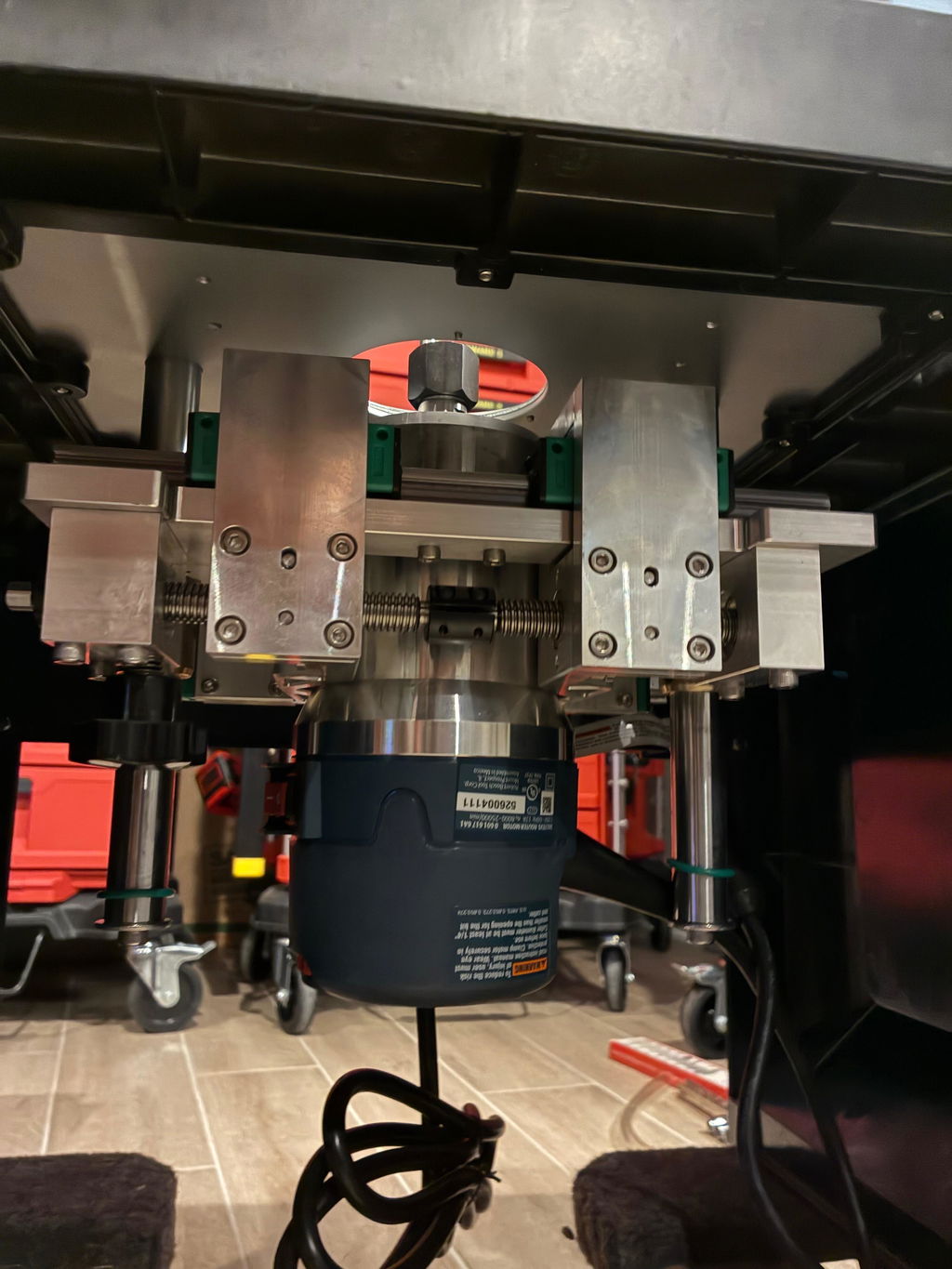
- Precision Height Adjustment: The integrated custom bearing housing allows for 5/32 inch depth changes per full rotation. This level of control is critical when you only want to take off the minimum amount of wood required to reach flat.
- Stable Movement: Equipped with UHMW glide pads, the sled moves smoothly without the 'stick-slip' motion common in DIY wooden sleds.
3. Managing the Mess
Resurfacing a large bench generates a massive amount of wood chips. The spetool router sled features integrated dust collection with dual ports and a full-surround brush. This system, combined with a silicone curtain, captures debris before it coats your entire shop, a feature often discussed in professional woodworking communities like Fine Woodworking.
4. The Milling Process
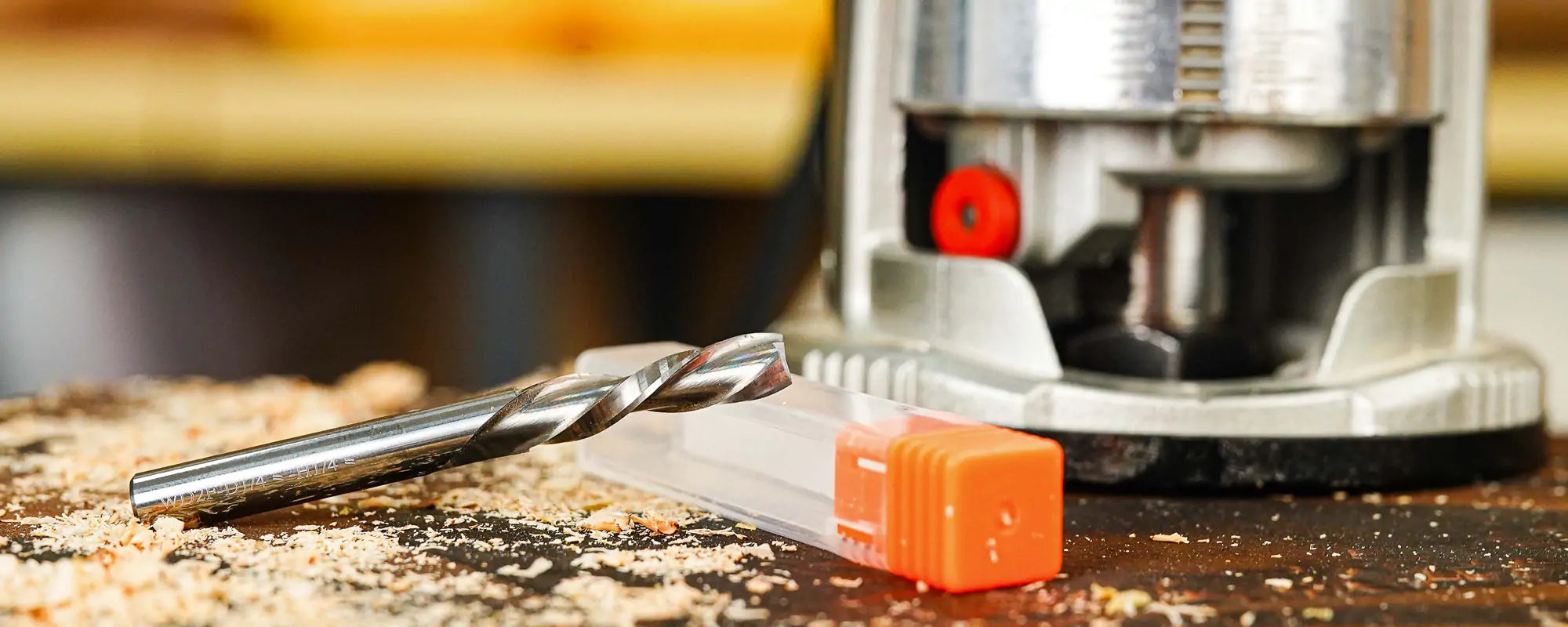
Mount your router—the pre-drilled base plate fits industry standards like the Bosch 1617, DeWalt 618, and Festool OF 1400. Start at the highest point of the bench and set your depth. Move the sled methodically across the surface. Thanks to the height adjustment range of 1/4 to 3-3/8 inches, you can handle benches of varying thicknesses with ease.
Conclusion
Don't let an uneven workbench compromise your craftsmanship. By repurposing a high-quality slab flattening tool for shop maintenance, you ensure your foundation is as accurate as the pieces you build on it. For more professional-grade milling solutions, explore the full range at SpeTool.